The Footwear Research Network is registering to become a non-profit Social Enterprise
Do you value what we do? Now’s the time to show your support. The Footwear Research Network is registering to become a non-profit Social Enterprise, and we need your help…
There is a lot of good news globally in footwear sustainability at the moment. Recycling programmes and technologies are expanding. Important legislation is coming into force. Brands are publishing commitments. New materials and systems are being researched and trialled all over the world. All of this progress is genuinely hopeful and long overdue.
But look a little closer, and a harder truth emerges. Much of what passes for progress is downcycling at best and delay at worst. New shoes are made from recycled plastics, PET and polyester with old shoes becoming playground surfaces or insulation. The materials are transformed, but the underlying system, one of chronic overproduction, short product lifespans, and consumers who undervalue and feel disconnected from the things they buy, remains largely untouched, leading to continued exploitation of workers and resources.
What's missing isn't technology. It's understanding. Understanding of people: why we buy the shoes we do, what they mean to us, how culture and identity shape our relationship with footwear, and what might actually motivate us to do things differently.
This is the gap the Footwear Research Network is working to close. We don't compete with current scientific and materials research, or with emerging footwear sustainability organisations and initiatives. Our focus is to complement this important work. Over the past sixteen years, we have brought the human perspective, and we've come to believe that perspective isn't a nice-to-have. It's what ensures everything else is relevant and actually works.
Where is all started
The FRN has its roots in ‘If the Shoe Fits: Footwear Identity and Transition’, an ESRC-funded research project at the University of Sheffield, led by Emeritus Professor Jenny Hockey with Professor Vicky Robinson, Dr Rachel Dilley and me, and supported by a high-profile advisory board that lent its expertise to shape its early direction. That project later secured further funding for a follow-on study in patient-centred podiatry, driven by Professor Vicky Robinson and Dr Emily Nicholls.
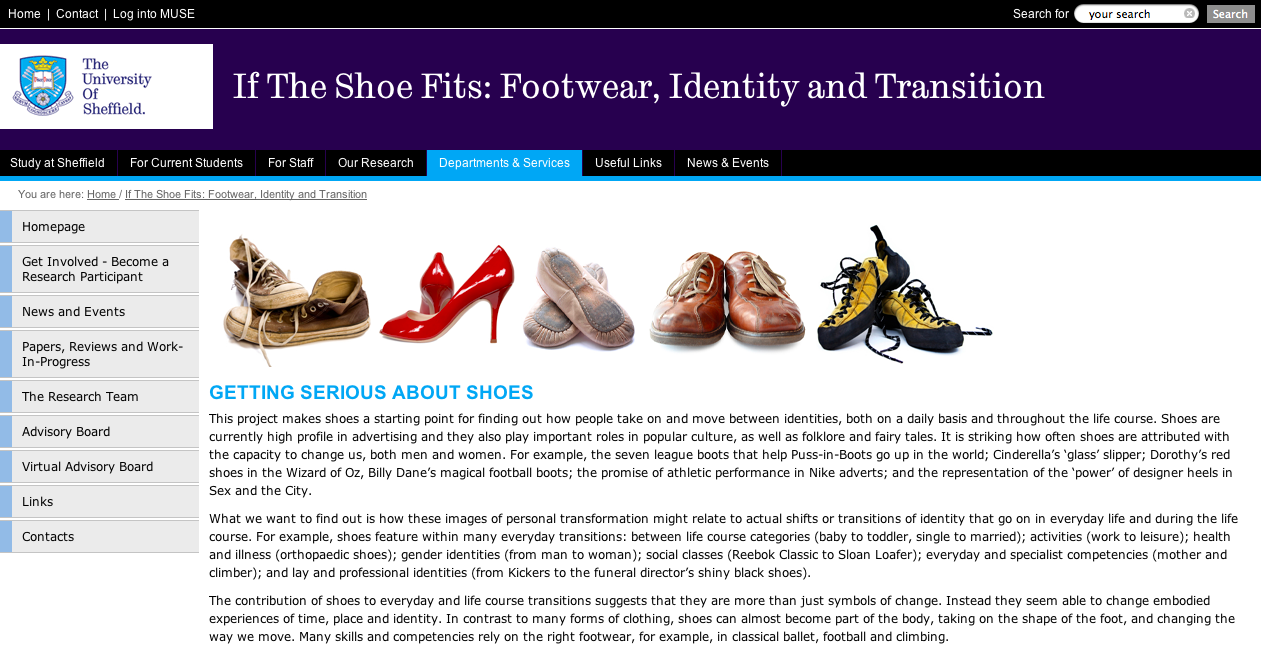
The If the Shoe Fits original research project web page - 2010
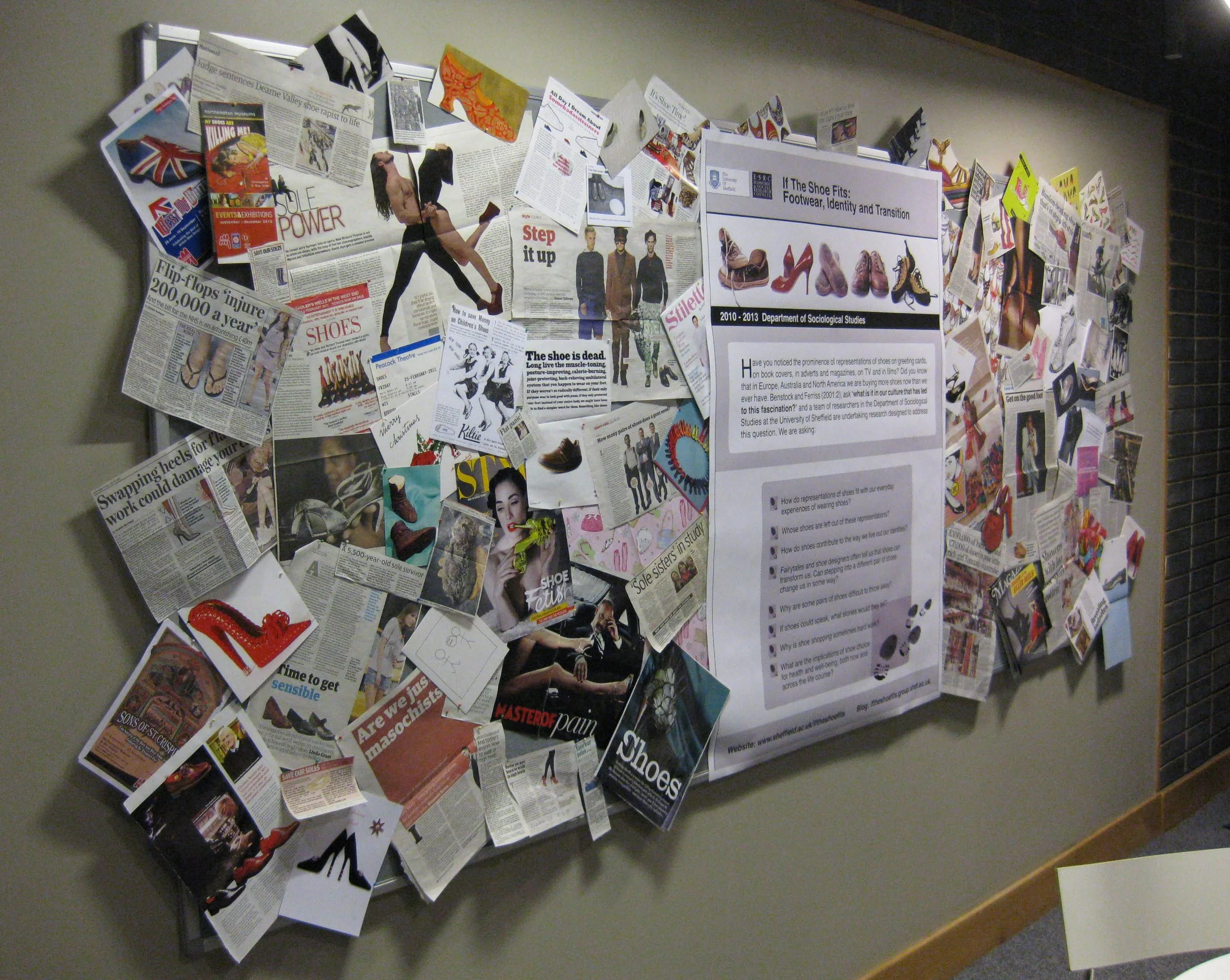
The If the Shoe Fits research project exhibition at ICOSS, University of Sheffield, featuring a display of footwear ephemera. Photograph Alexandra Sherlock, 2013.
I was the postgraduate researcher on the original project, and in 2021 I took on the role of relaunching the project blog as the Footwear Research Network, largely because I didn't want the research outcomes to disappear and because I knew that footwear was one of the most neglected but complex categories in sustainability research. Since then, I've been its custodian, responsible for hosting it, maintaining its content, and growing what has become a hugely prestigious and credible global community of contributors. The FRN is a team effort, and it has only grown into what it is now because of the people who've joined it, many of whom have felt isolated in their own respective fields but whose voices are now united and amplified in one place.
Over the past few years, these contributors have brought their own expertise, perspectives, and energy to the network. Two collaborations in particular have shaped what the FRN has now become: Dr Emily Brayshaw, a dress historian and costume designer, who co-presents the Social Lives of Shoes podcast with me, and Pennie Jagiello, a contemporary jeweller and artist, who co-leads This Is Not a Shoe, our hands-on educational workshops and exhibitions.
What we do
The FRN is now a global, academic-led network. We publish accessible summaries of current research on our blog. We maintain a reading list of footwear-related publications, drawn from a growing community of authors and researchers. We run a directory of footwear museums and archives, built on the work of Charlotte Stachel and Professor Lorenzo Cantoni at the Università della Svizzera Italiana in Lugano.
But we've never thought it was enough to just research, analyse and publish. We try to practise what we preach, ensuring our research and expertise are accessible, impactful and capable of inspiring others. This thinking seeks to challenge conventions around material lifecycles, creativity, innovation, and business models, working towards a footwear economy that is socially and culturally regenerative, circular, and financially sustainable.
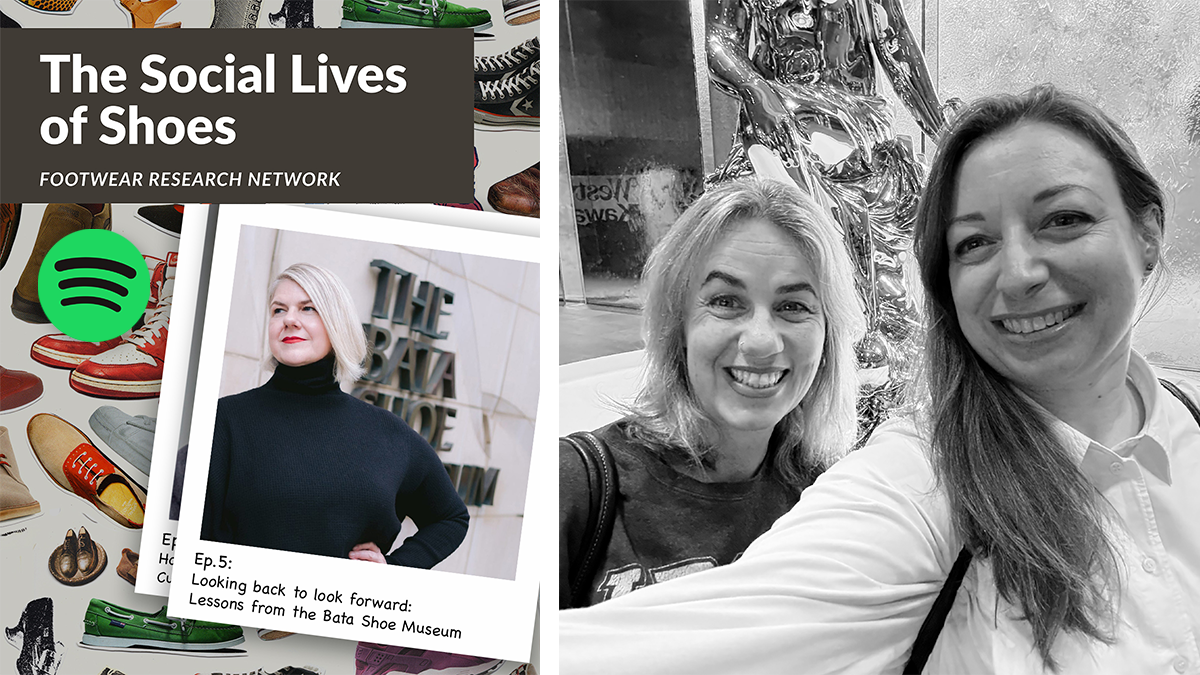
The Social Lives of Shoes Podcast
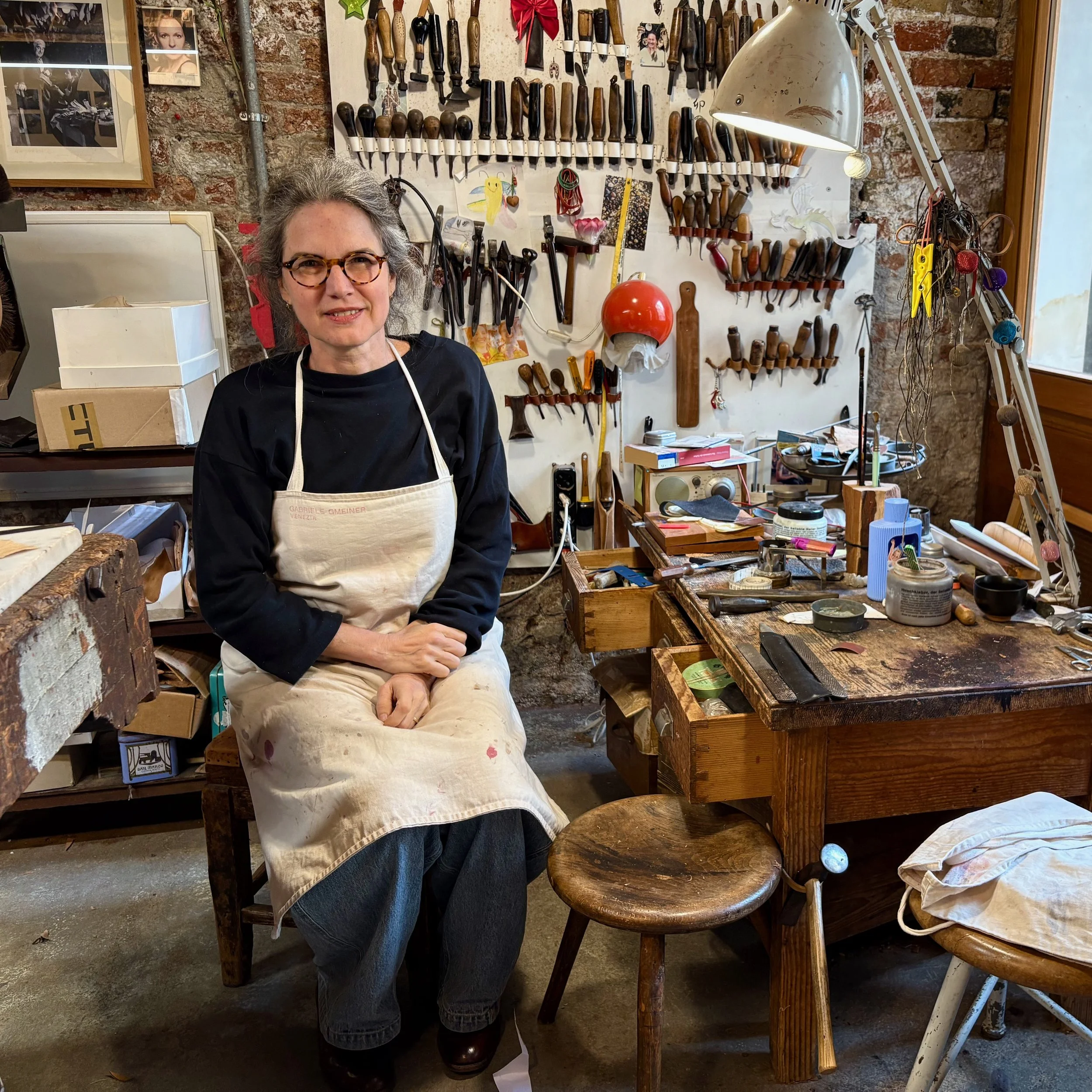
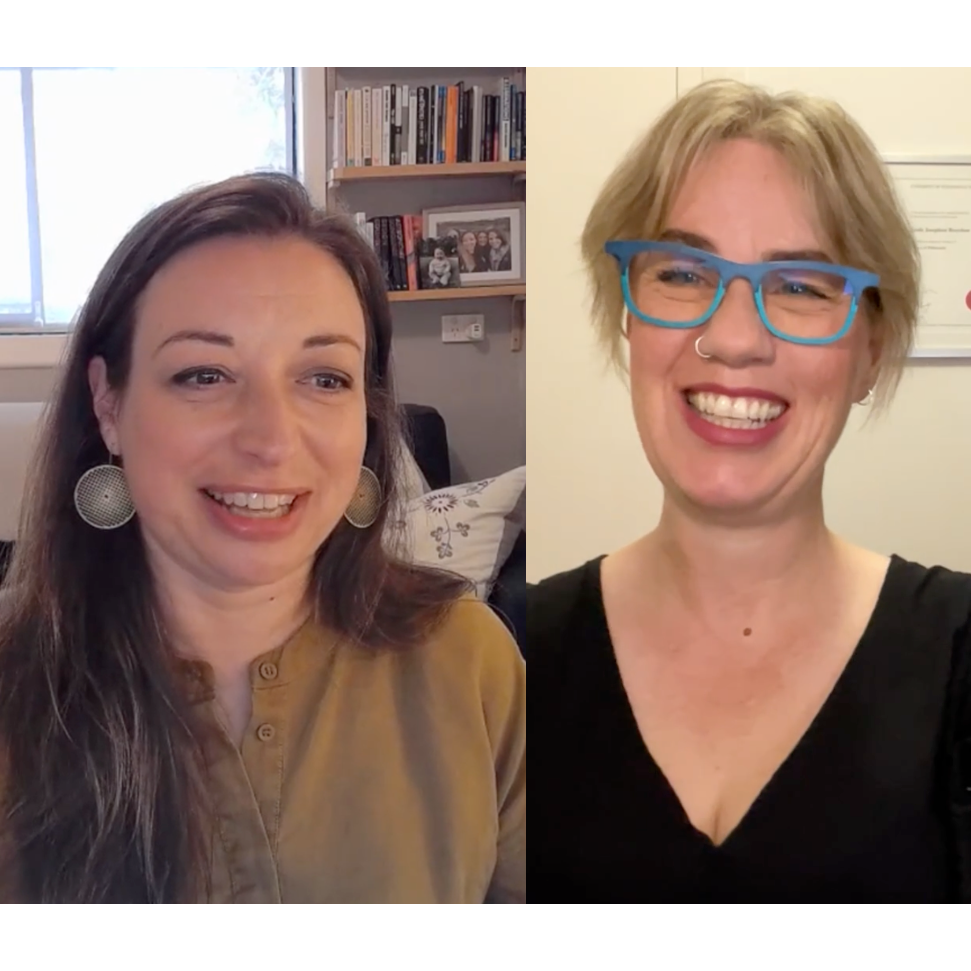
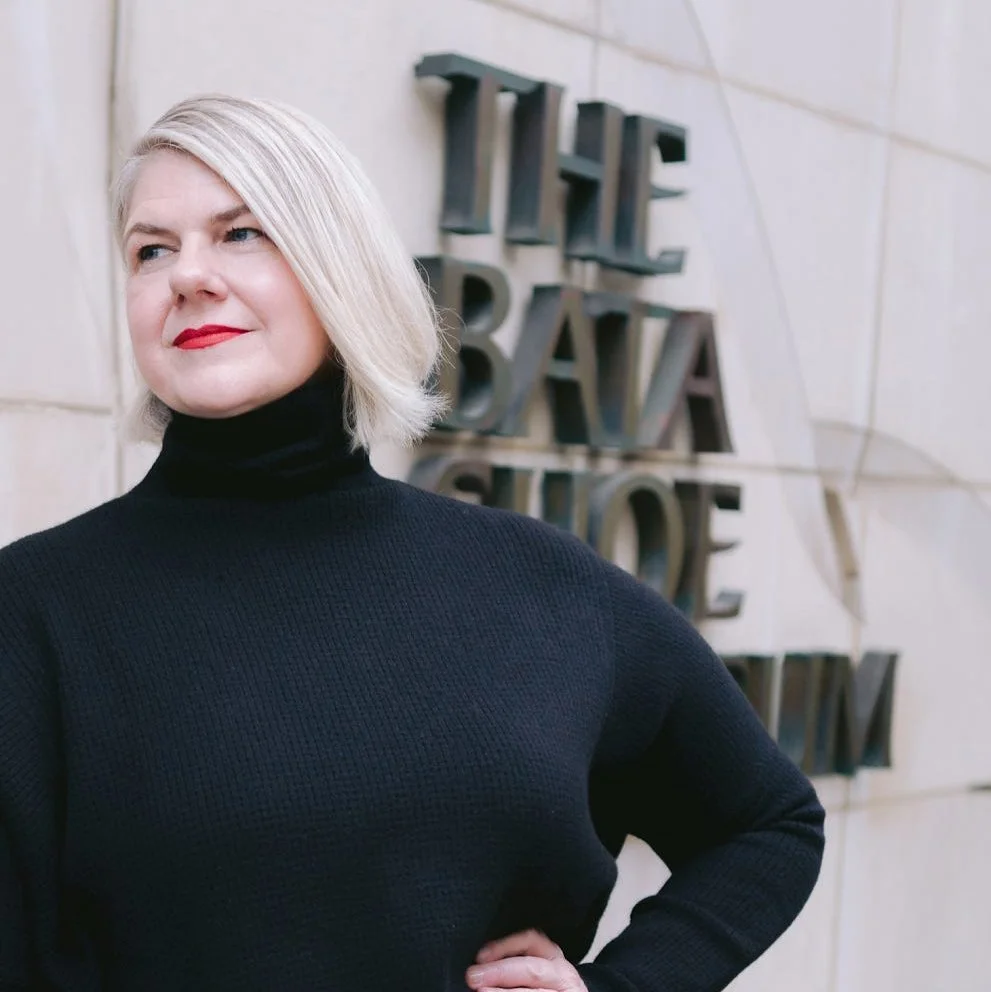
The Social Lives of Shoes podcast asks a simple question: What if shoes could speak? With eleven episodes now recorded and eight published, we've spoken to a bespoke shoemaker in her Venice workshop, the director of the Bata Shoe Museum in Toronto, corporate archivists, artists, and historians. We’ve even spoken to a world-famous celebrity reporter about the value of shoes for telling one’s life story, and as an ice-breaker, social leveller, and medium for connection (more on that to come). Each episode takes about three full working days of research, preparation, recording, and production, on top of the cost of the platforms we use to make it. We've been absorbing all of that ourselves so far. What started as something close to a passion project has long since exceeded that.
If the podcast has informed your work, strategy or designs, or simply validated your values, beliefs and the good work you already do, now is the time to show your appreciation.

This is Not a Shoe – Defamiliarisation through deconstruction
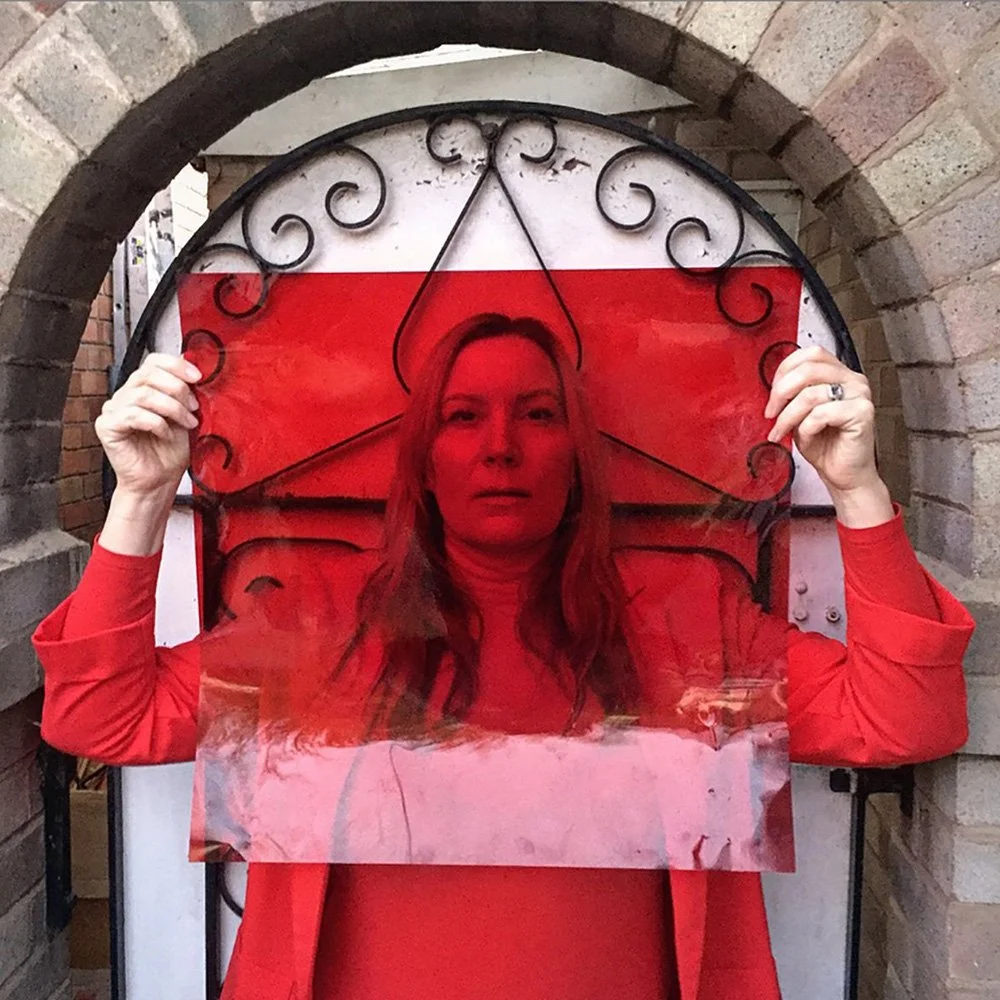
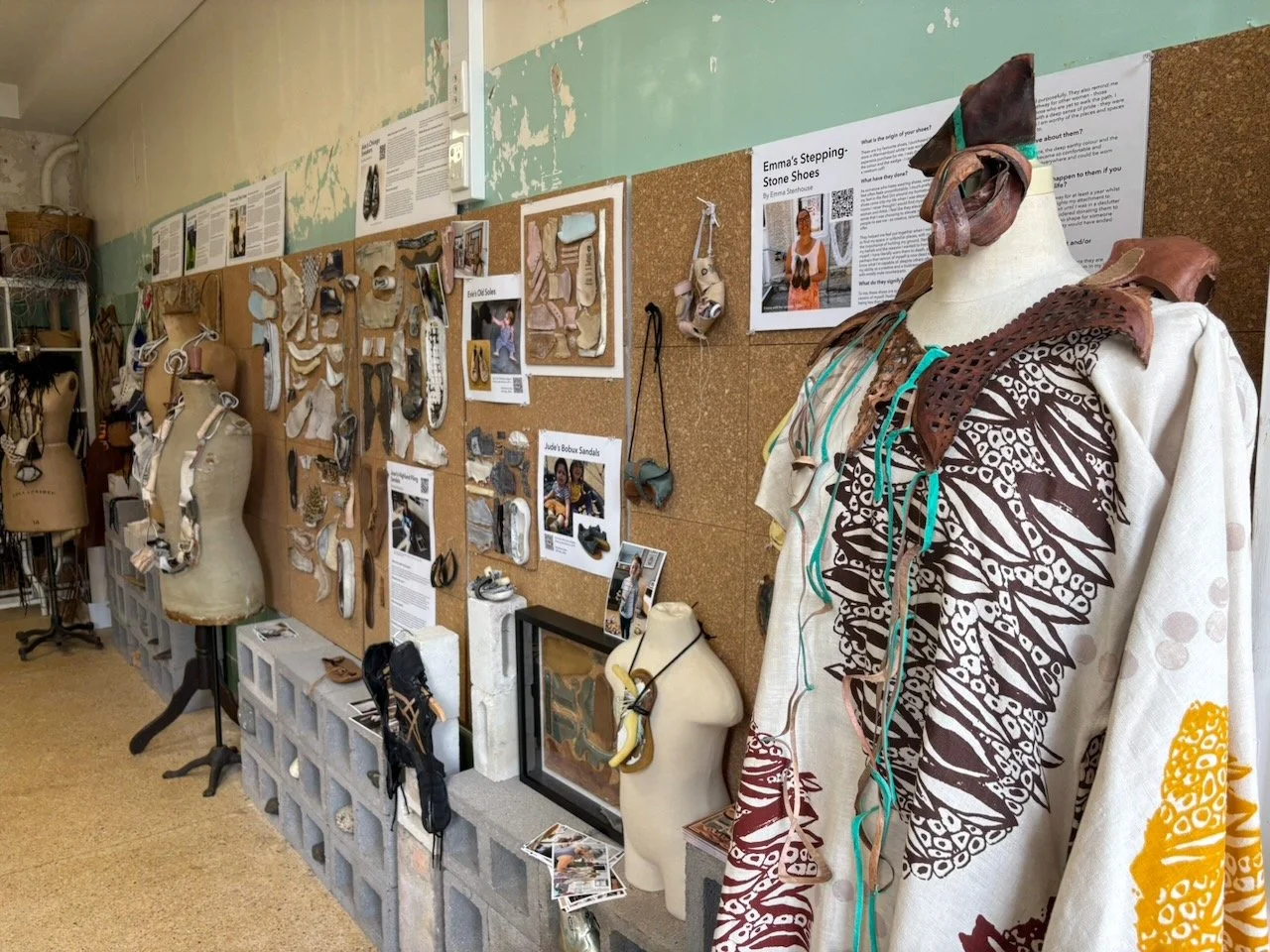
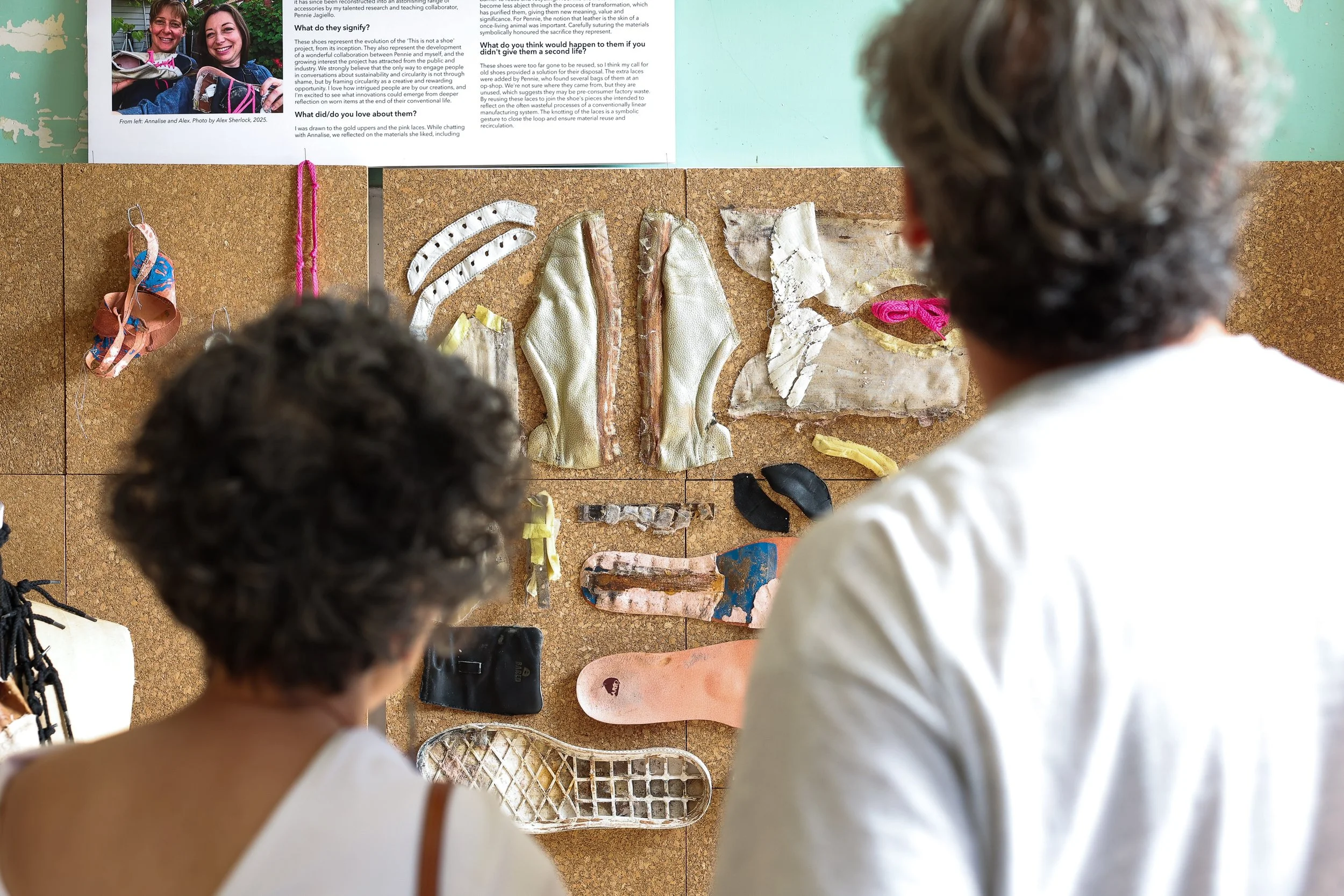
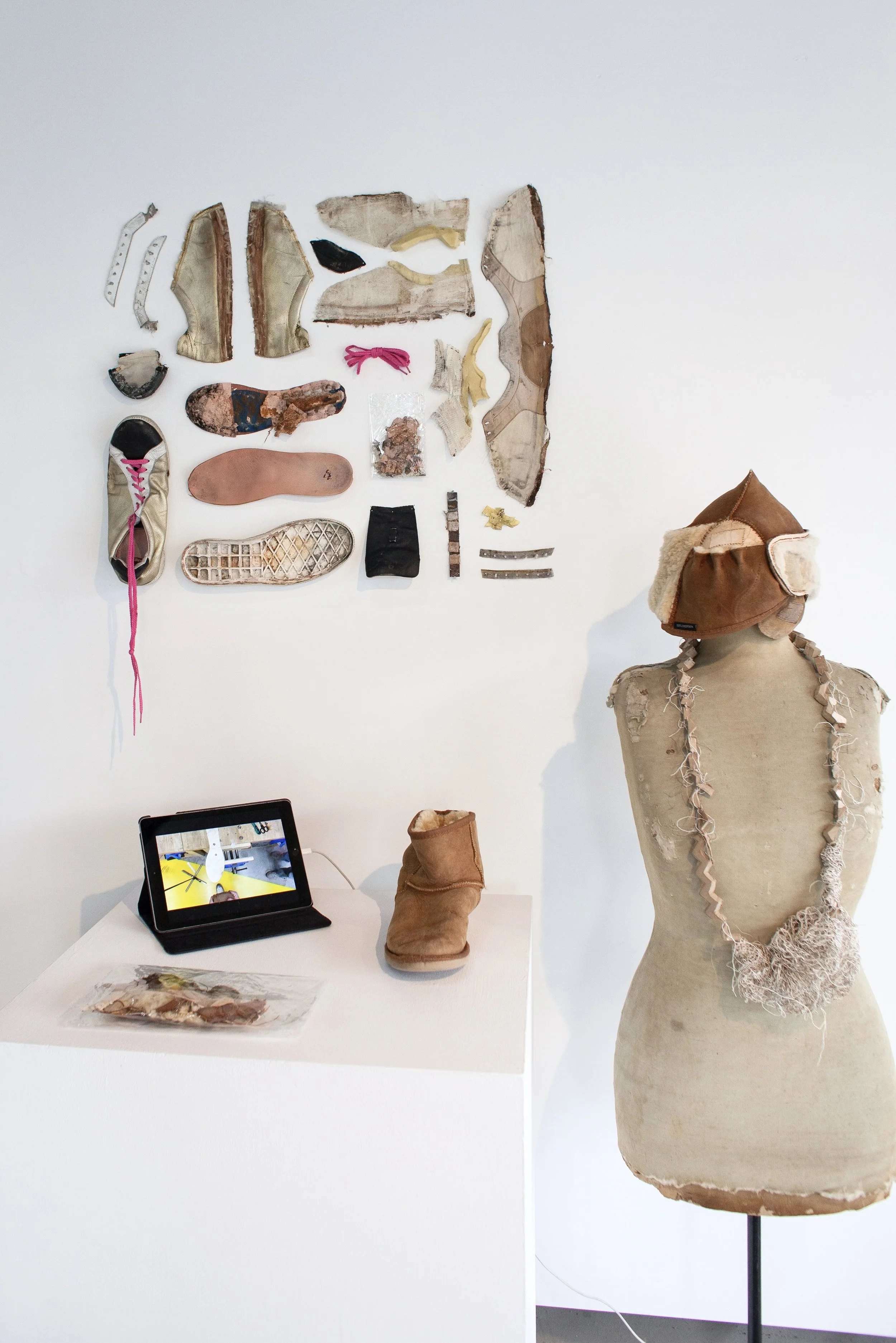
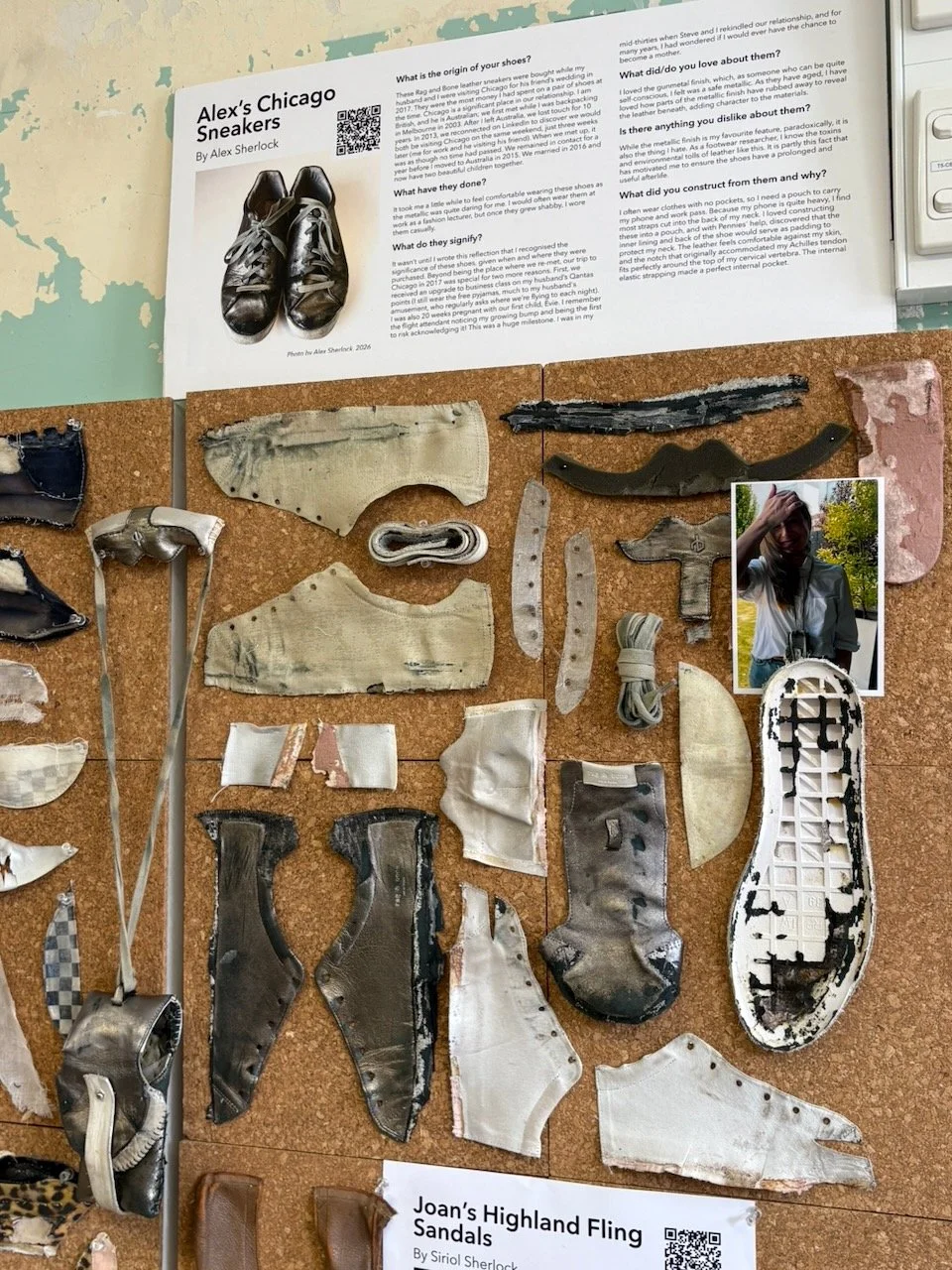
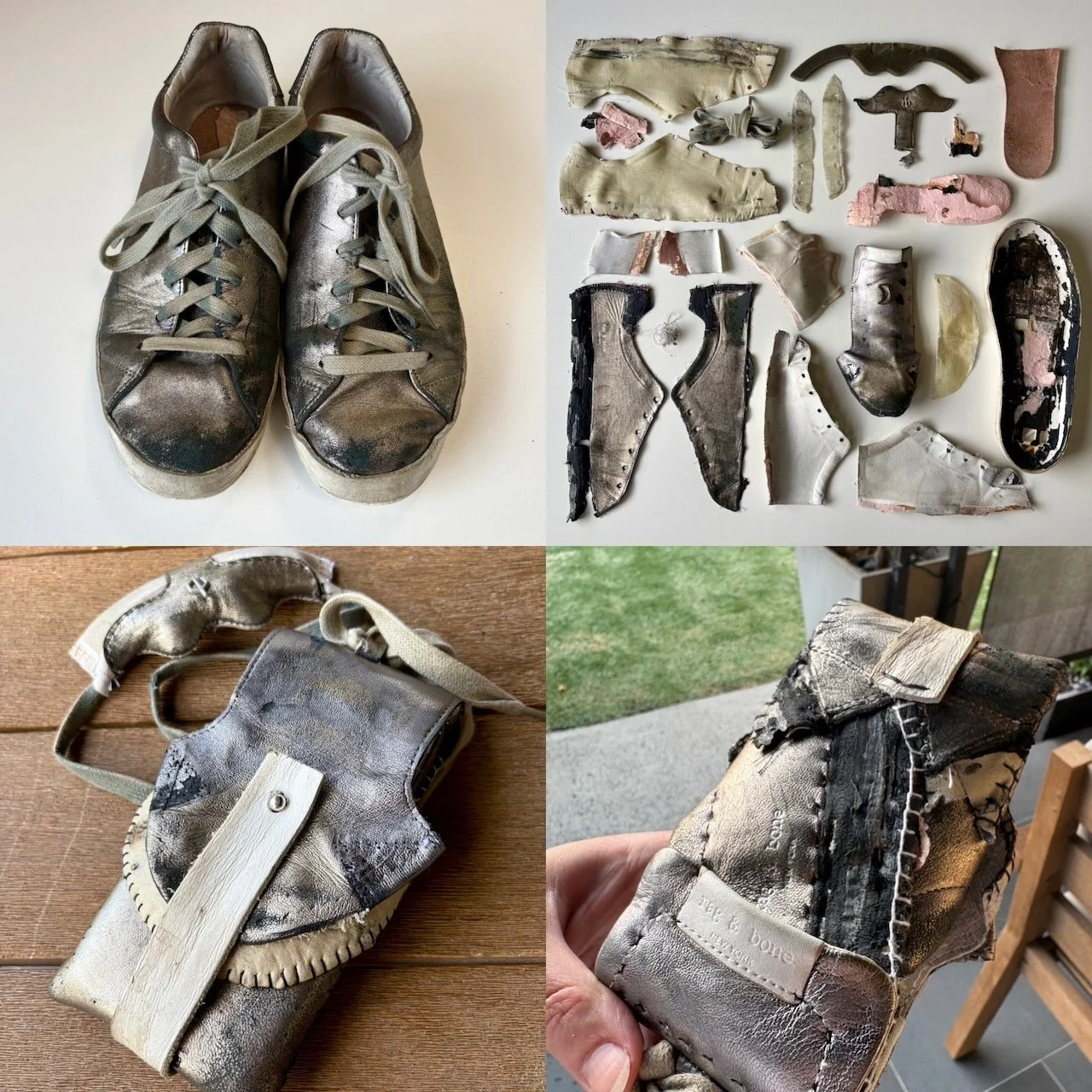
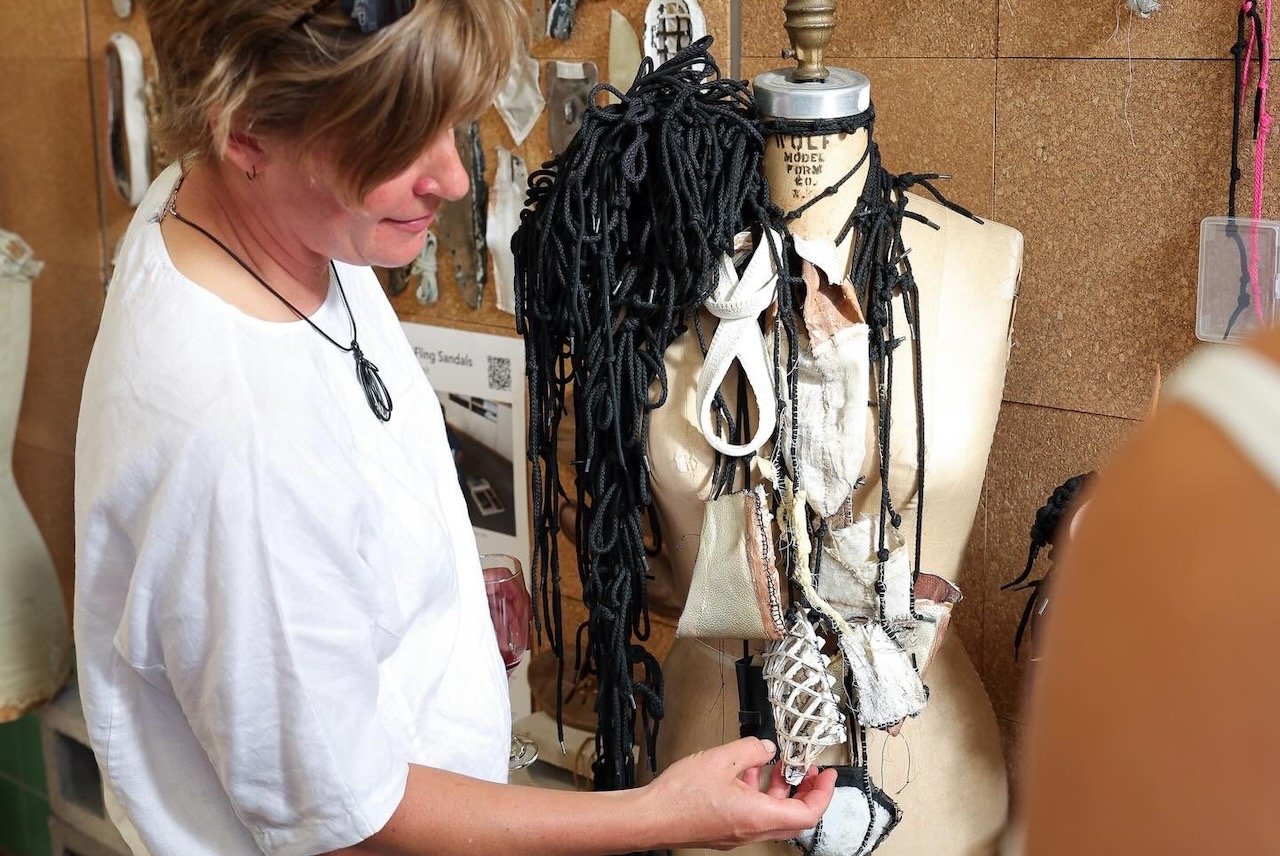
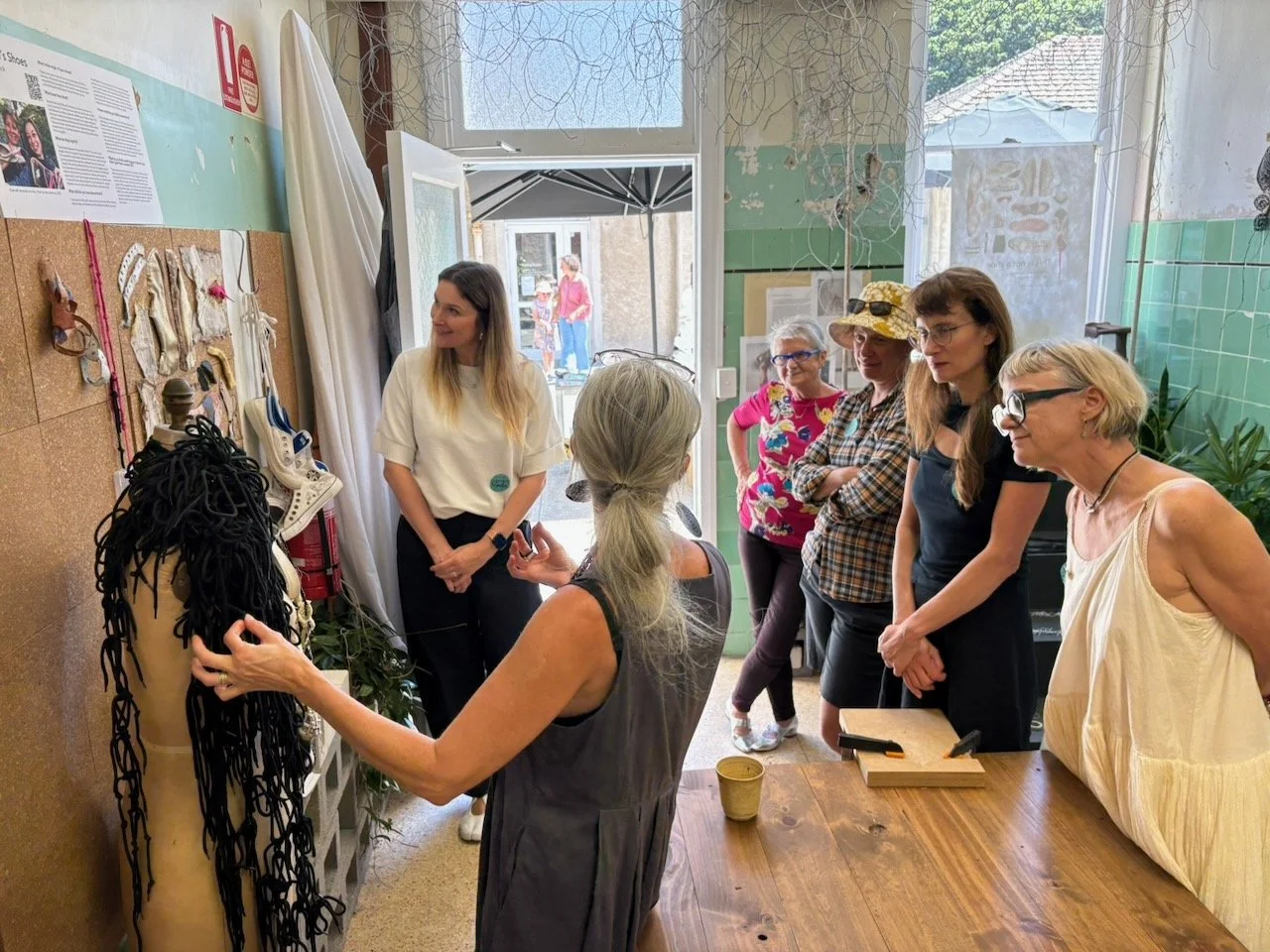
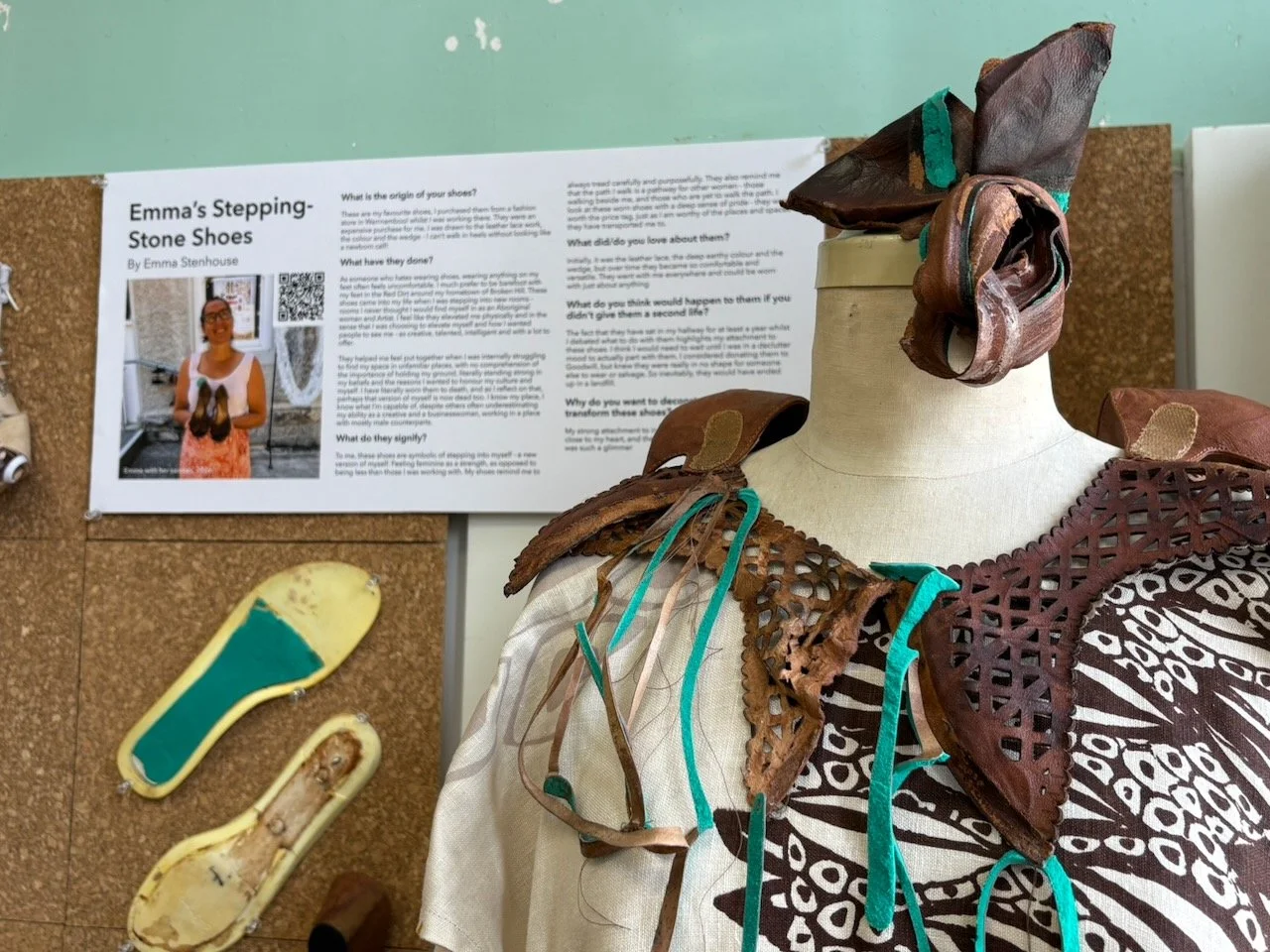
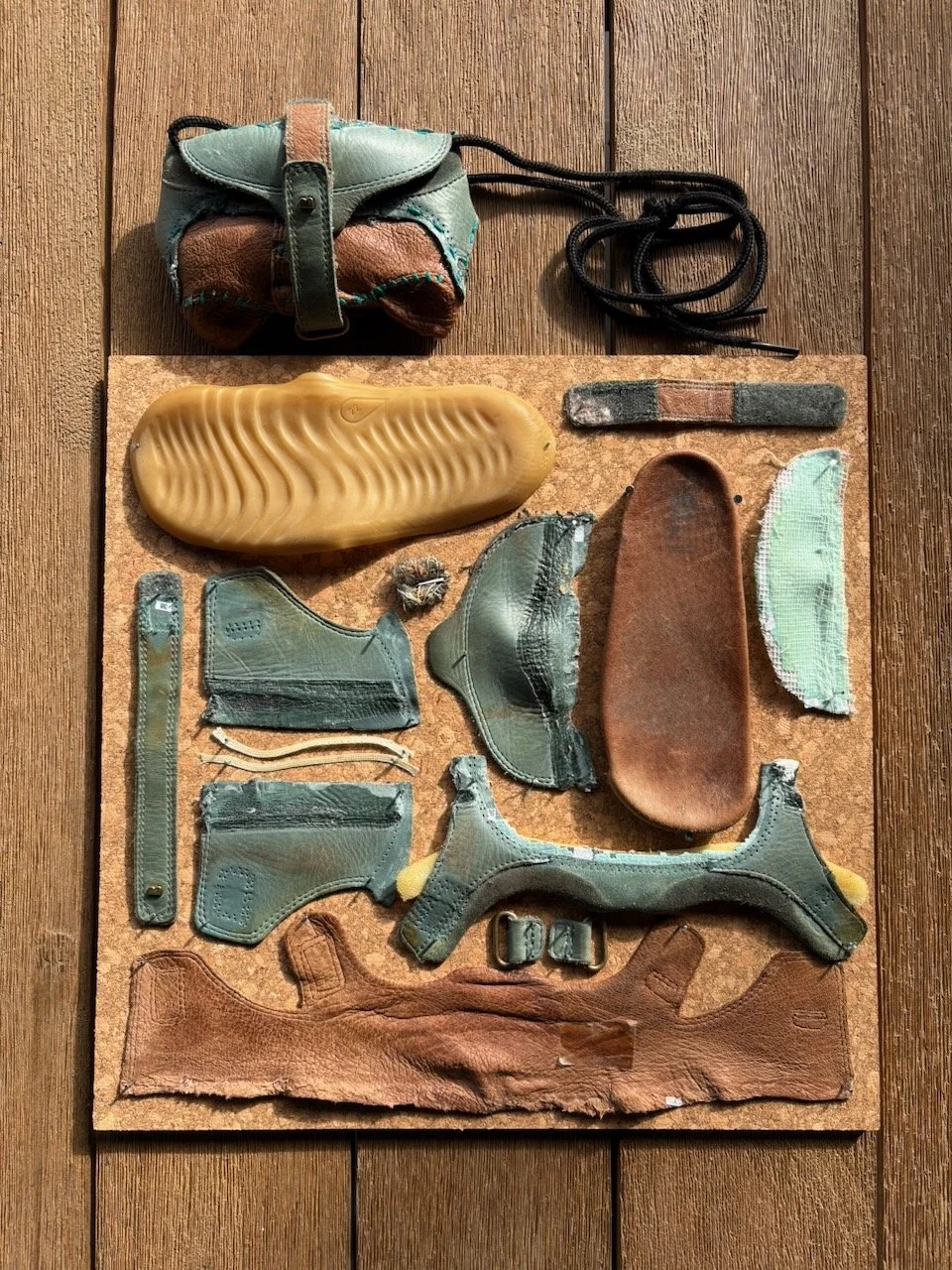
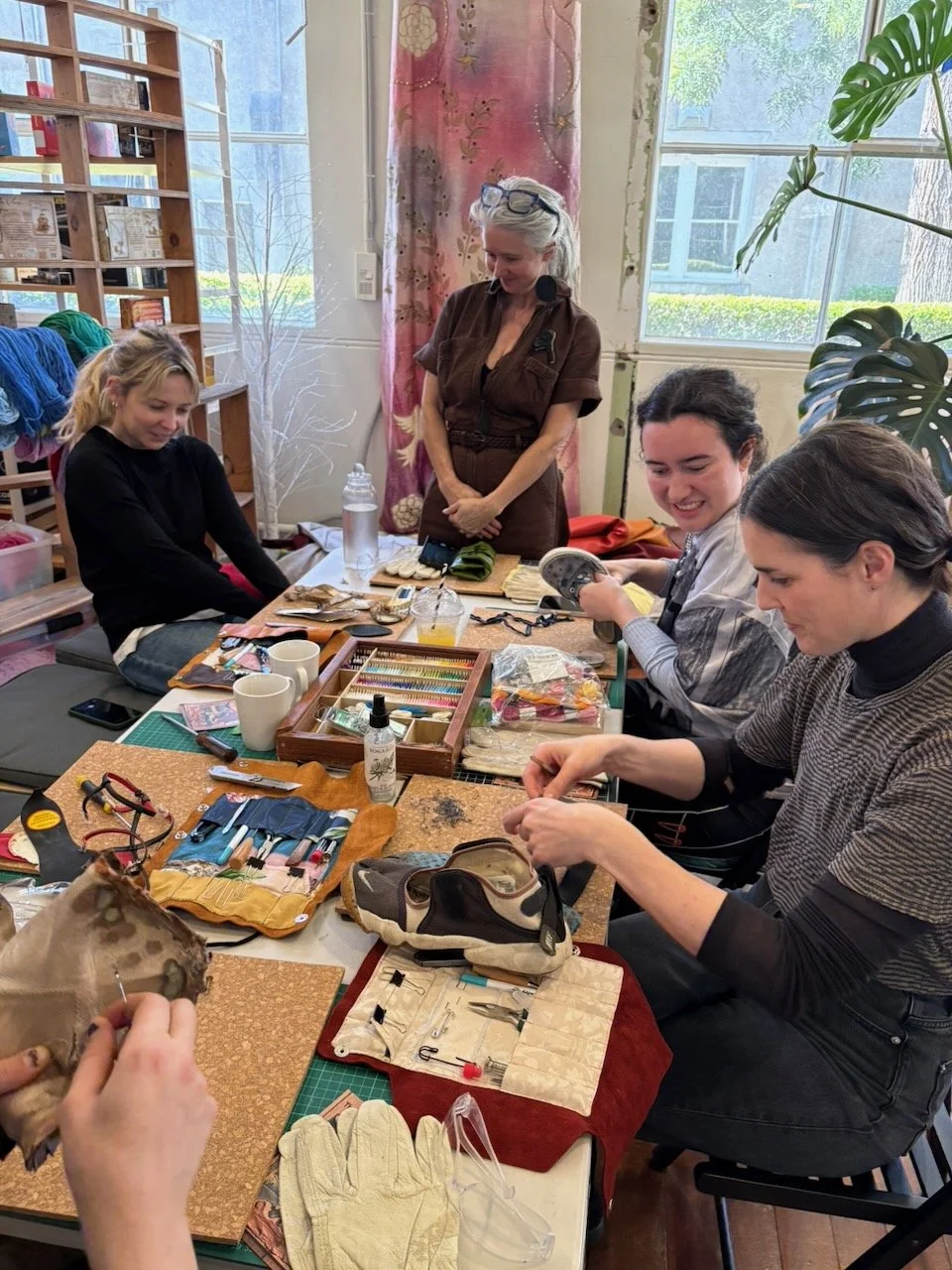
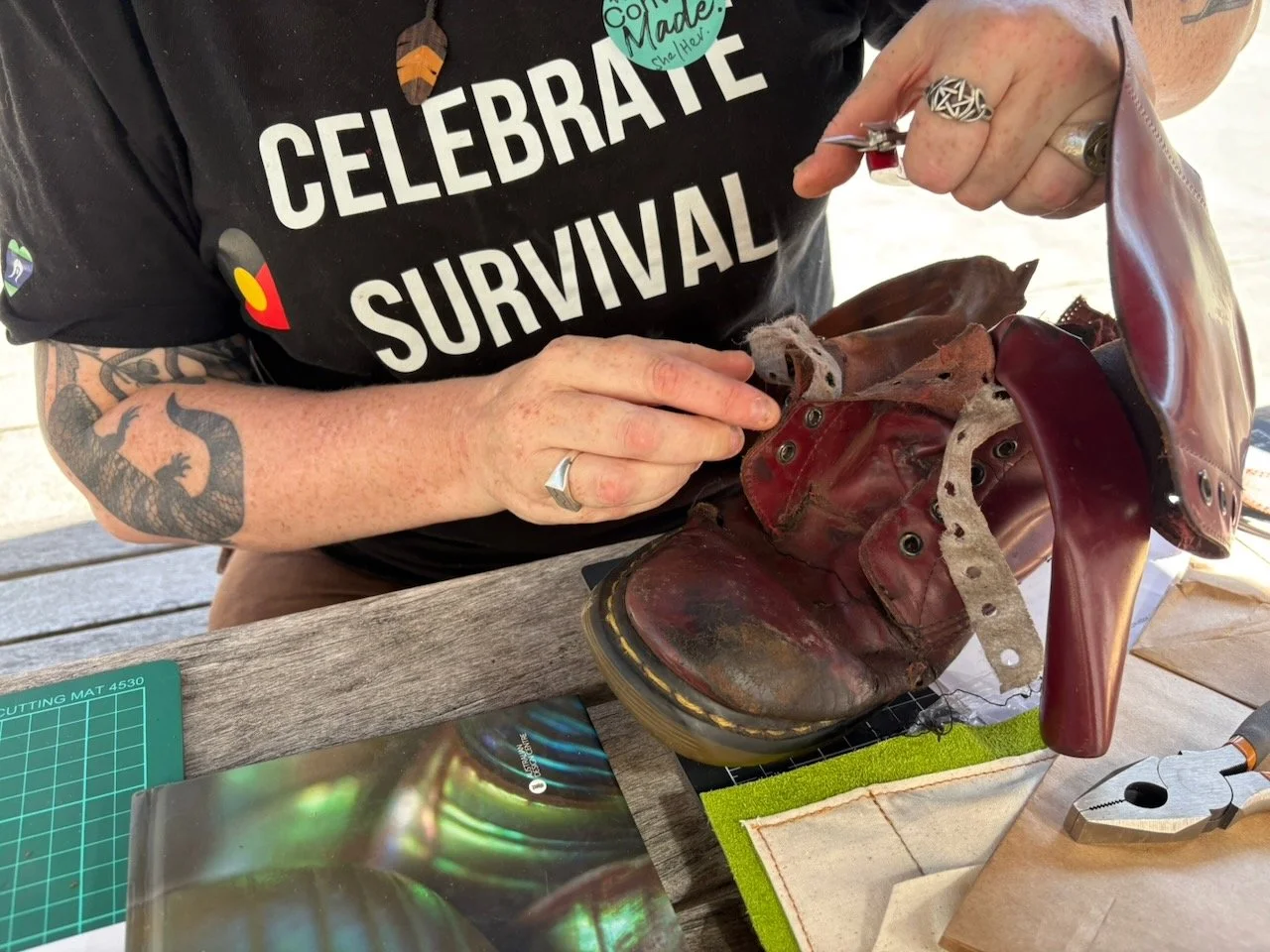
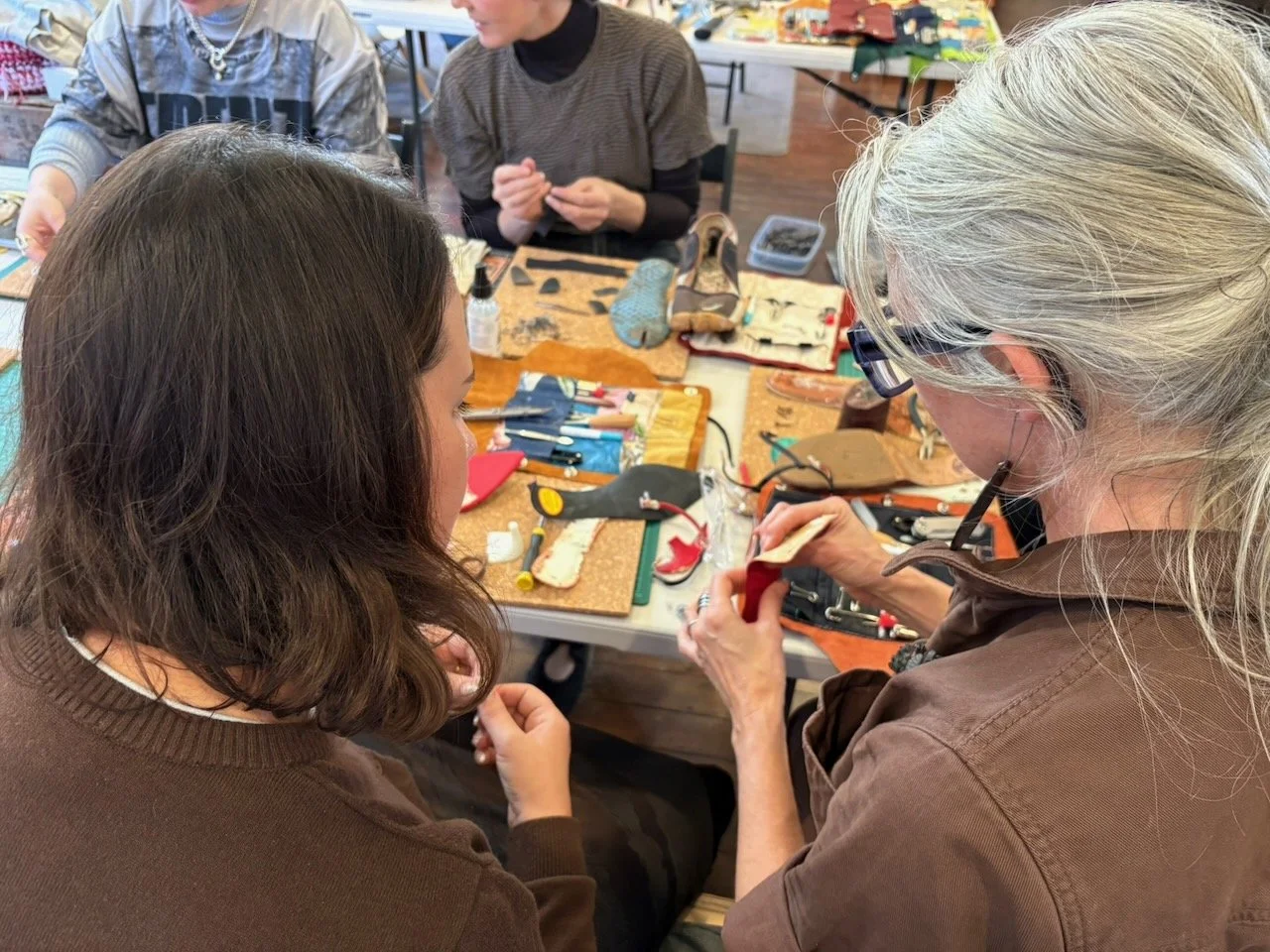
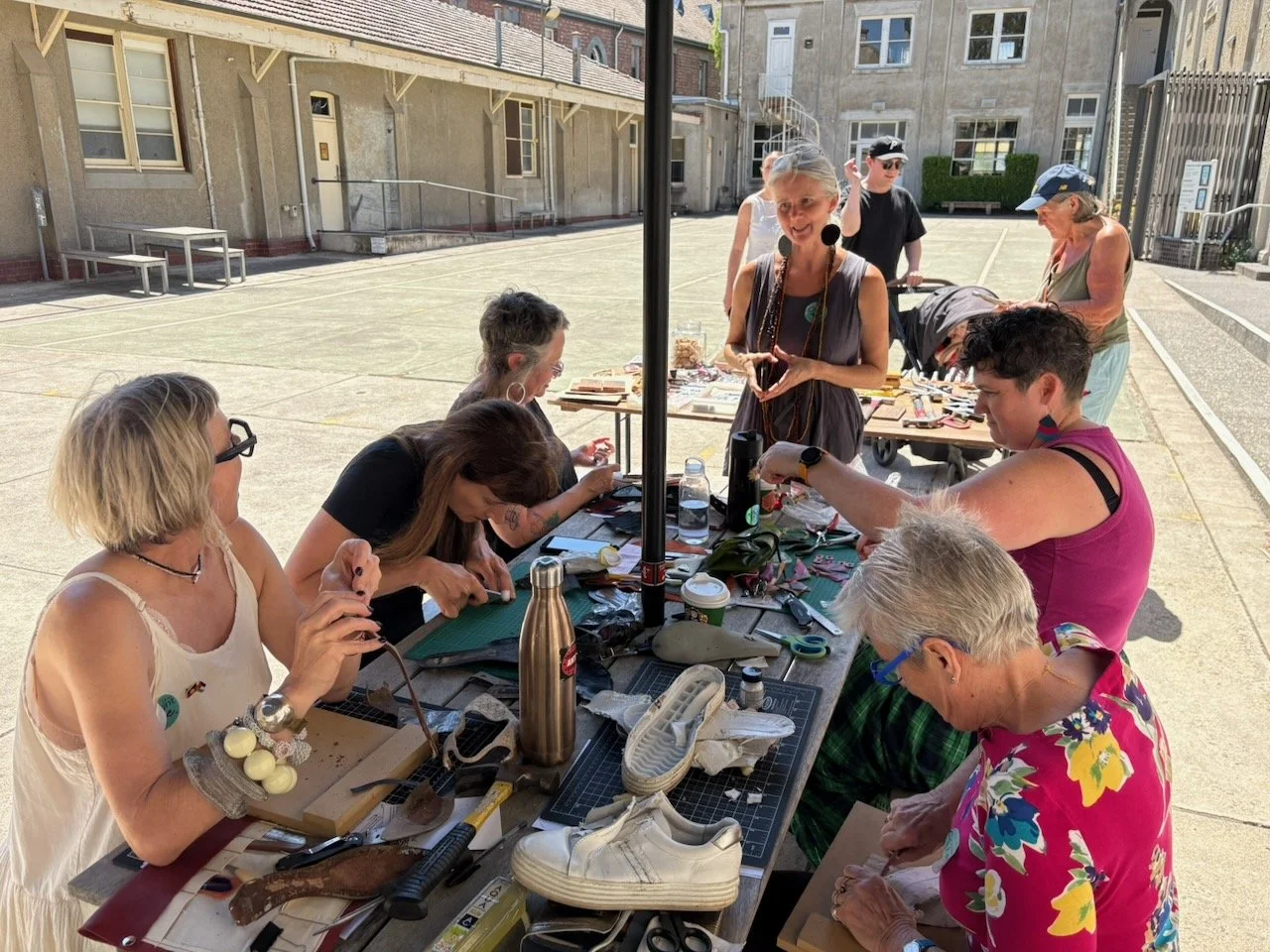
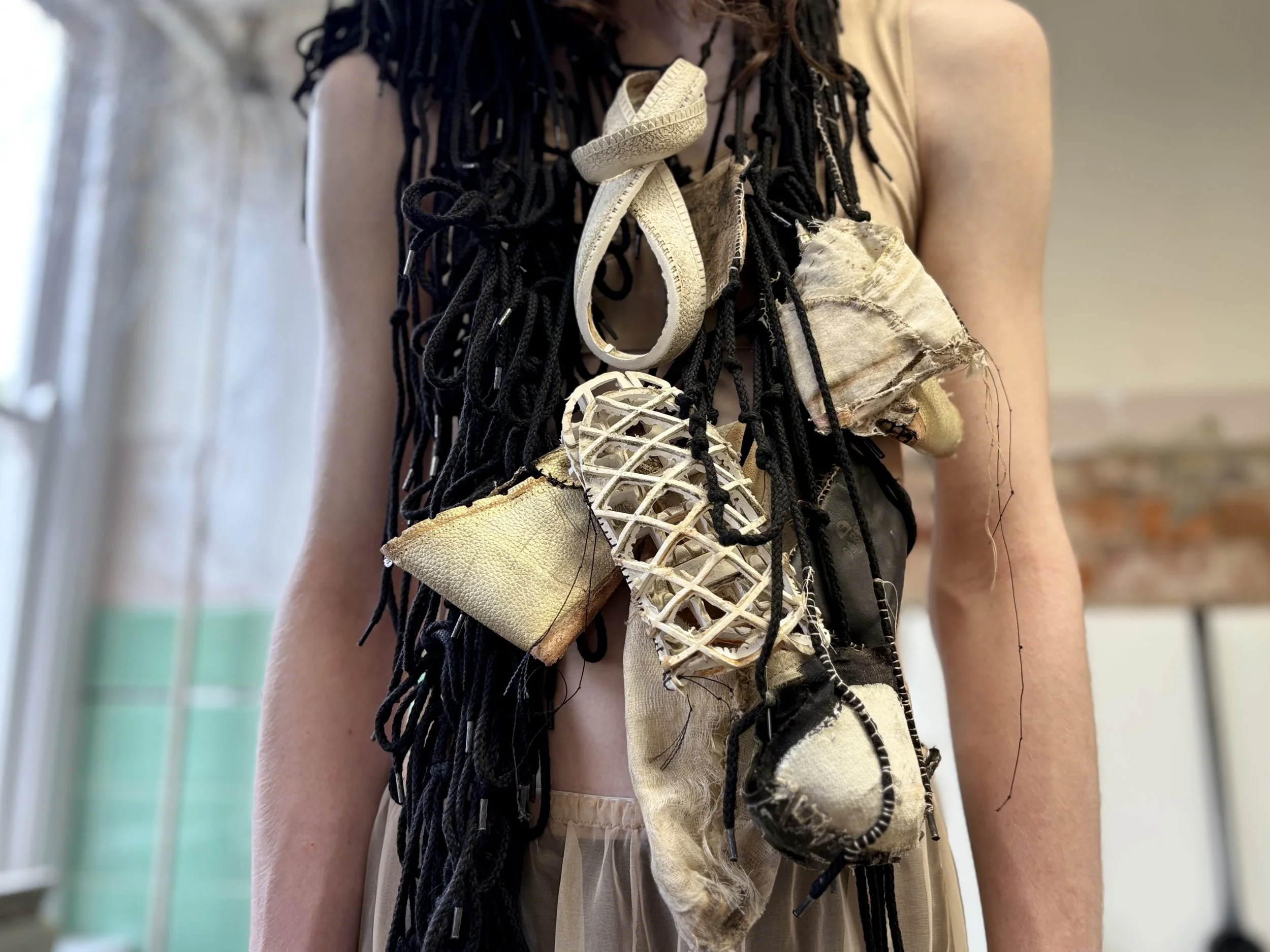
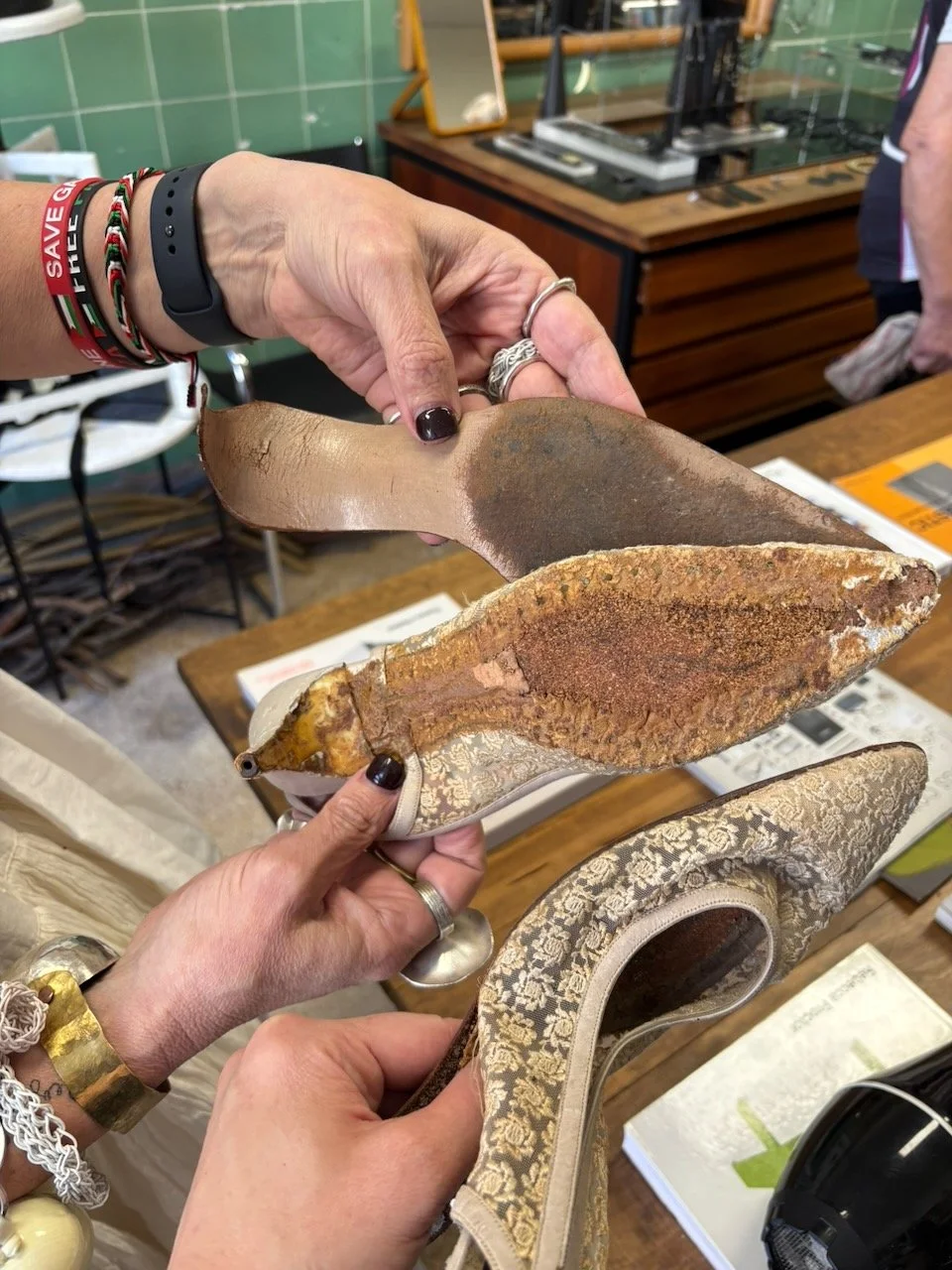
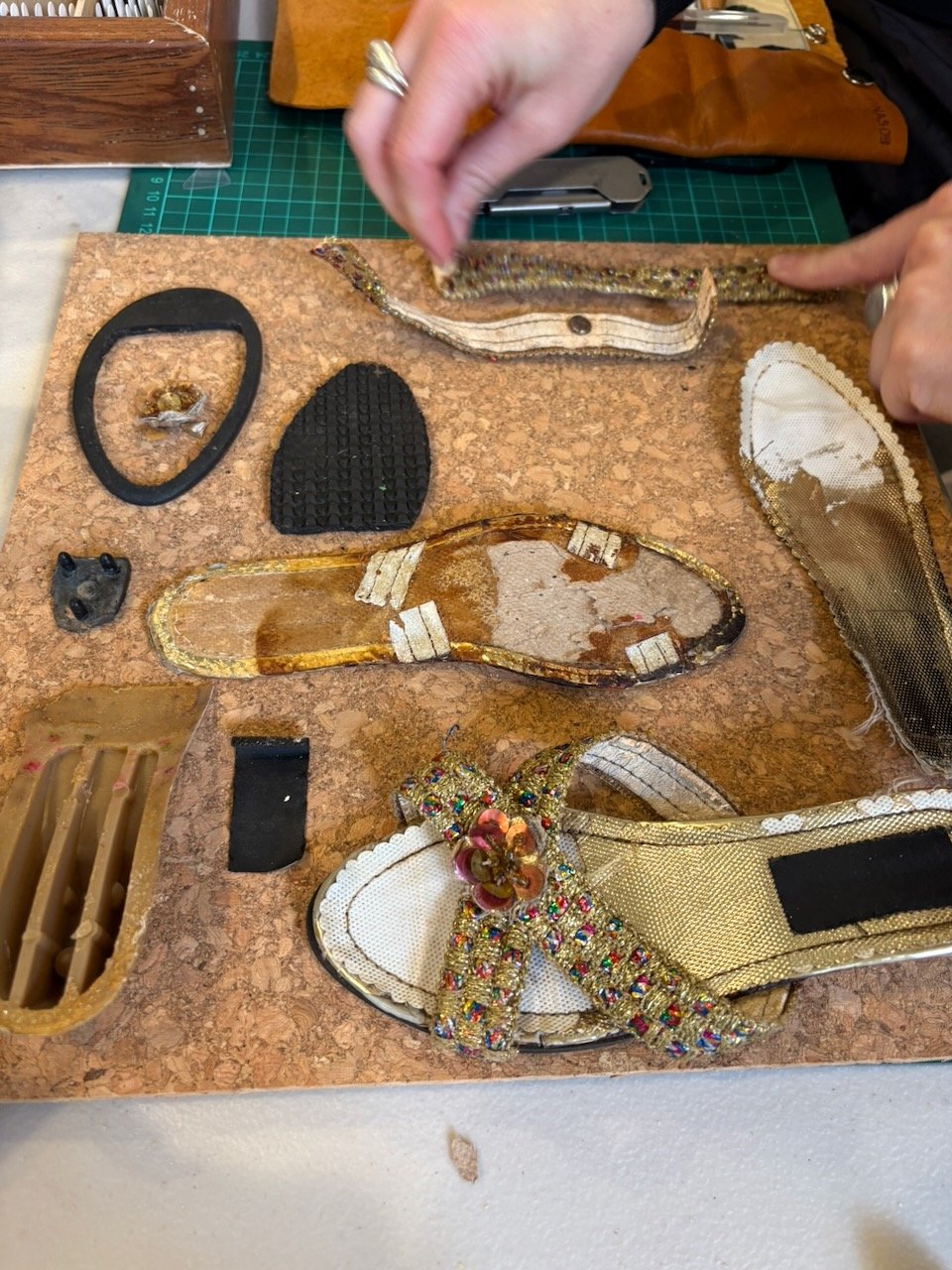
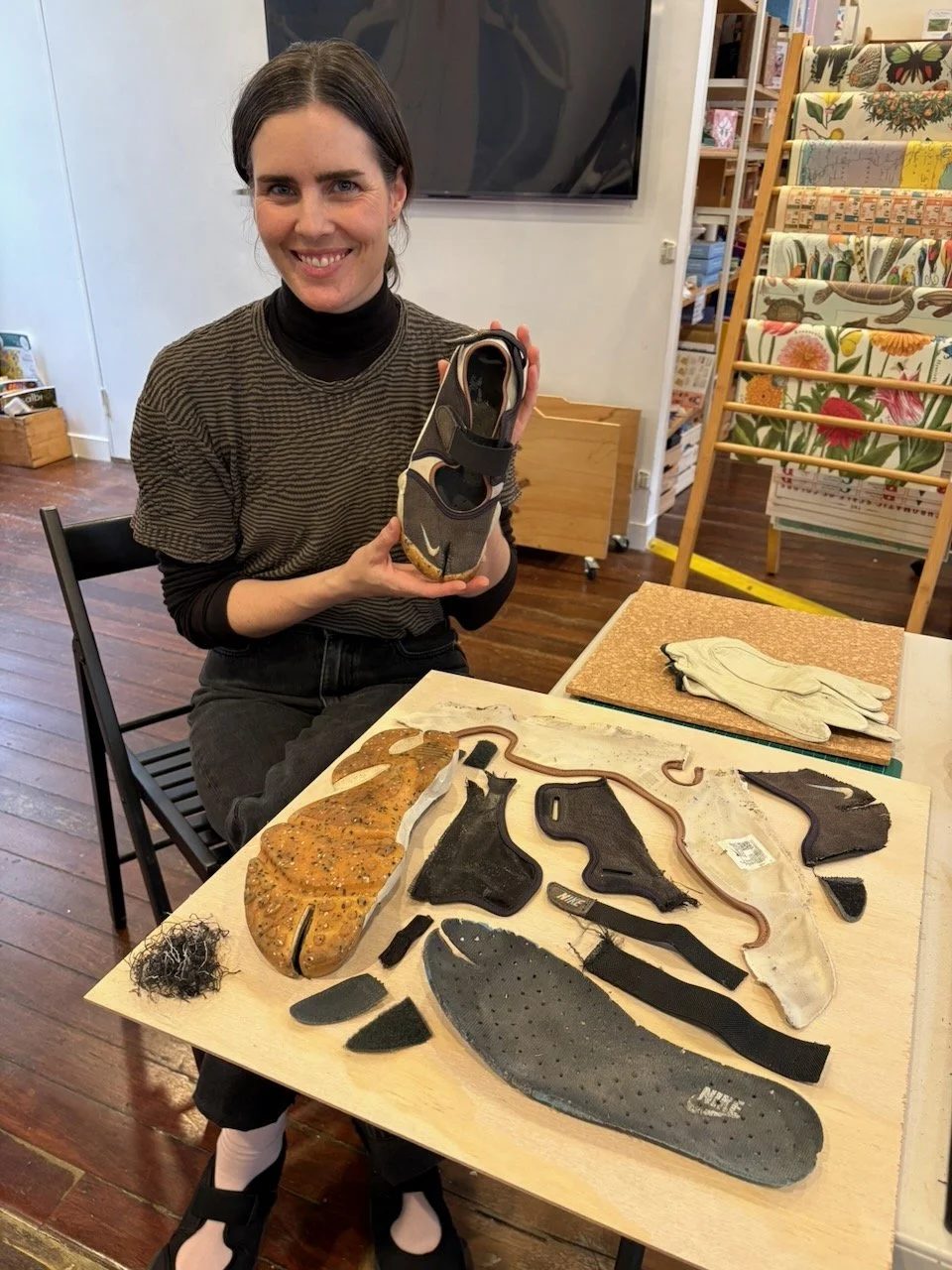
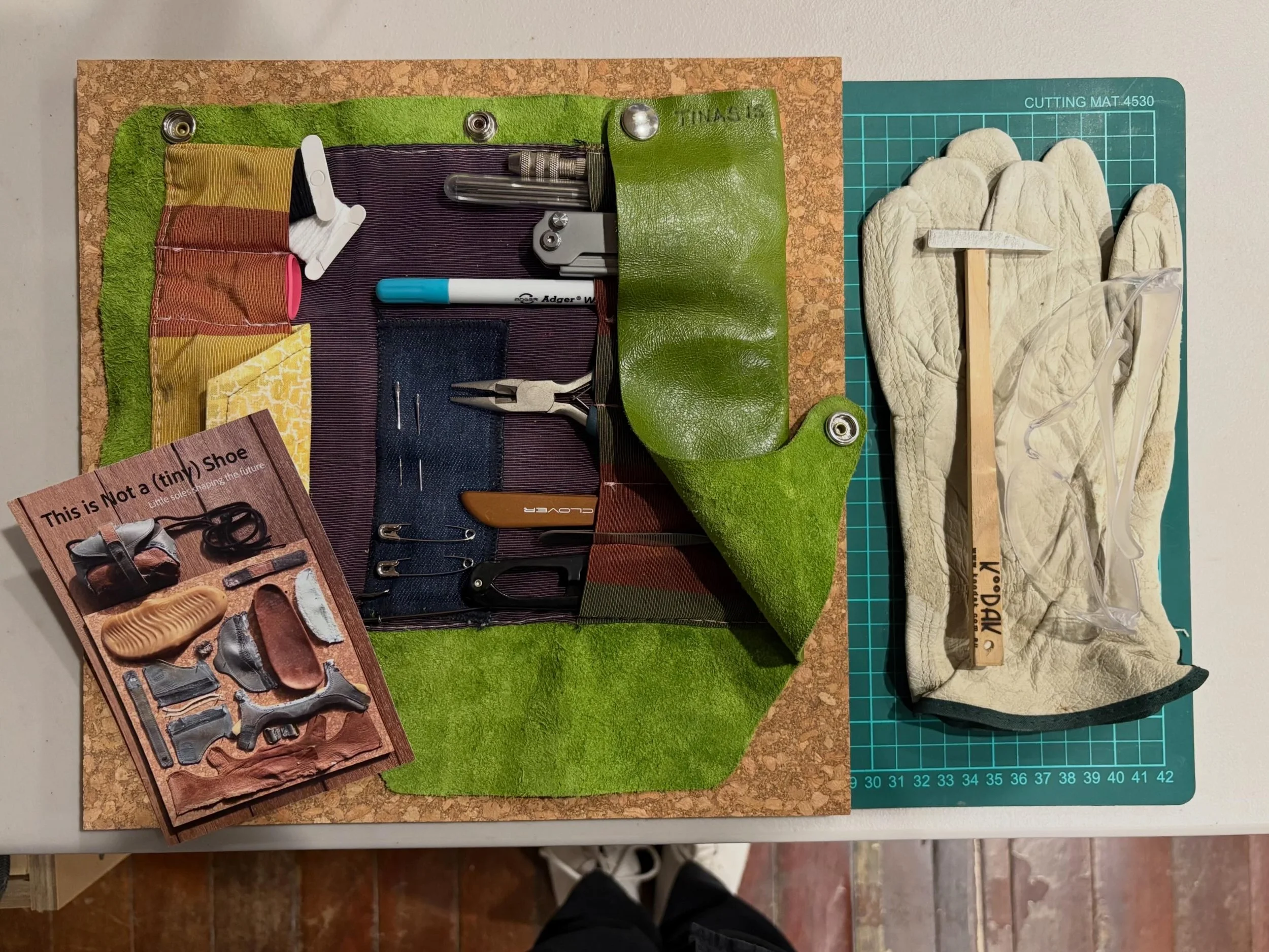
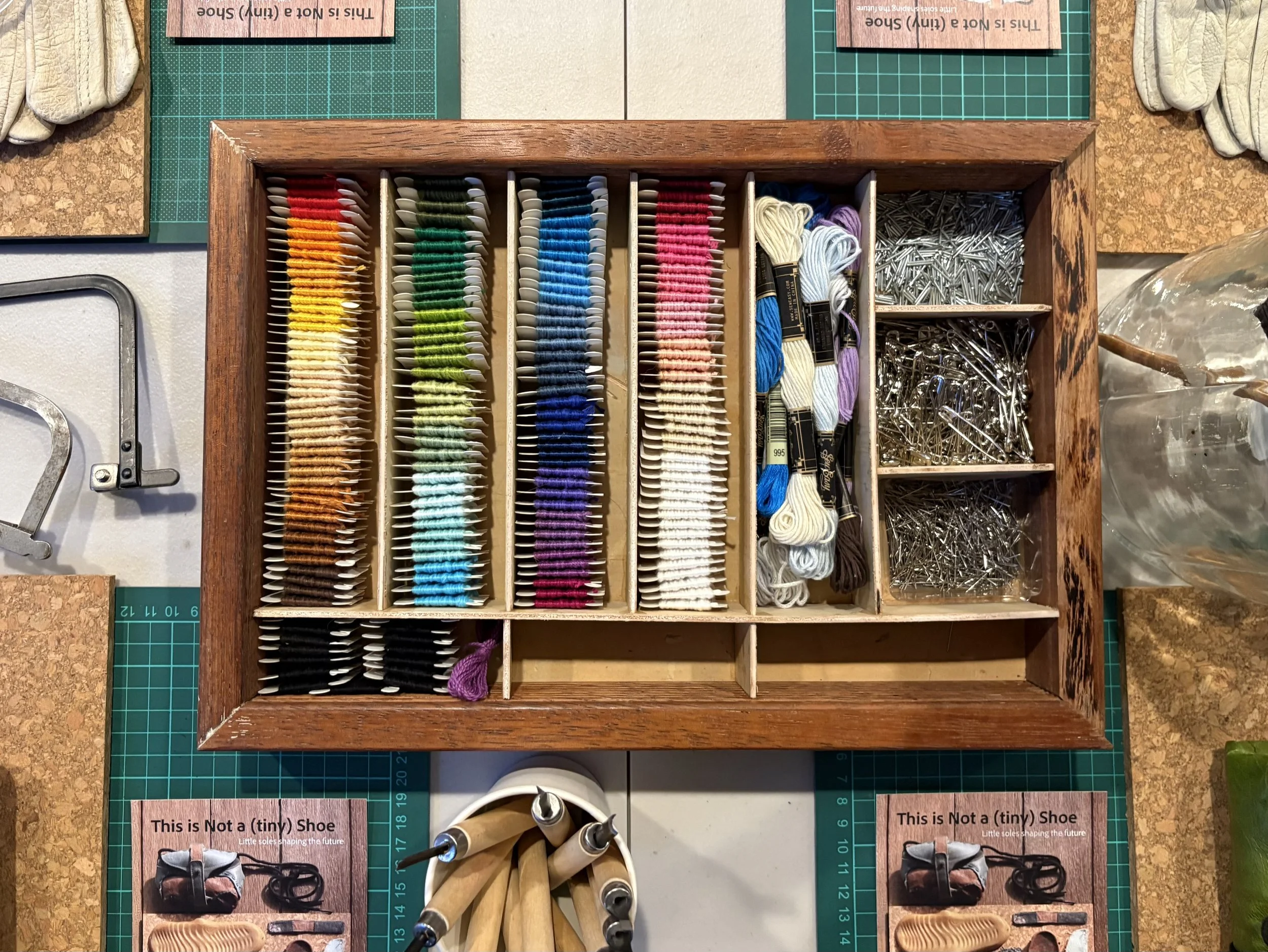
The This Is Not a Shoe project invites people to take their worn-out shoes apart. Not to fix or upcycle them in the usual sense, but to really look at what's inside. People bring shoes that mean something to them - a pair worn through Melbourne's lockdowns, a child's first pair of walking shoes, a pair bought decades ago before a trip to meet a fiancé's family. Something shifts when people take them apart properly. They start to see differently, not just the shoe but everything behind it. We've run these workshops during fashion weeks and at festivals, and we publish free workshop guides for educators, individuals and community groups. We make deconstruction kits by hand from reclaimed materials and pre-consumer manufacturing waste - soon available through our website for people to participate remotely. And we invite all to share their discoveries and inspire others via our growing global social media community - #thisisnotashoe
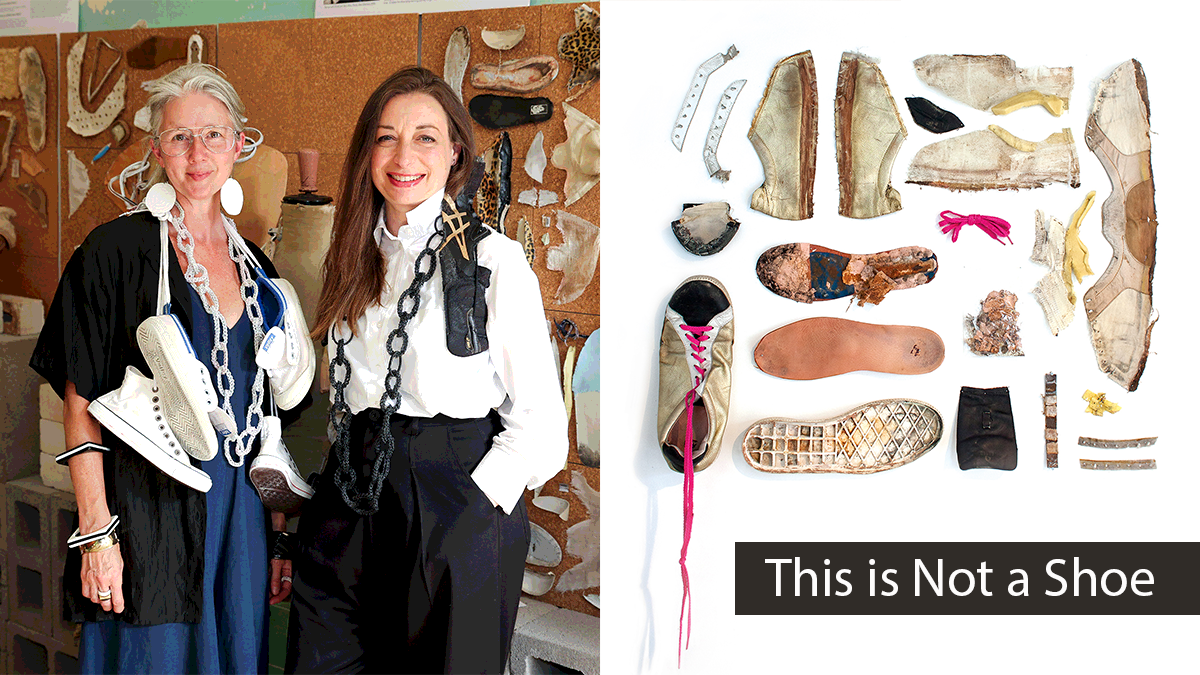
Pennie Jagiello and Alex Sherlock at the ‘This is Not a Shoe’ exhibition launch at the Abbotsford Convent, supported by Bared Footwear. Photograph by Lucas Dawson Photography, 2025.
Why we're asking now
We are raising money to register the Footwear Research Network as a non-profit social enterprise here in Australia, but for global impact. This isn't just paperwork. It's what will allow us to operate independently, apply for project funding, build proper partnerships, and eventually offer tax-deductible status to any brands and manufacturers who want to continue supporting what we do. We’re not doing this for profit, just to keep doing work we feel is valuable and useful, and we need a structure that proves that.
What you need to know if you're thinking of supporting us
This is not sponsorship. If you give to the FRN, you can't direct our research, and you can't use your support as a marketing platform. There are no naming rights and no product endorsements attached. What you can do is mention your support in your Corporate Social Responsibility reporting and, if you'd like, tell people publicly that you're proud to support us. This kind of public goodwill means a huge amount, and it reflects well on you, too.
This is a donation. There's no guaranteed return beyond knowing you've supported something real that benefits everyone. We'd be grateful for any amount, and just as grateful if all you can offer is sharing our work with people who might care about it and find it useful.
We're calling our early supporters Founding Patrons. That means you'll be acknowledged in our founding documents and on our website, and you'll hear about what we're doing as it happens. It doesn't oblige you to anything further, and it doesn't oblige us to you beyond that acknowledgement.
A word on using our research
Part of why academics do this kind of work is to have a real impact beyond the university. Where possible, we publish openly. We talk about our research freely. We know that ideas from the FRN, podcast, and TINAS workshops have already been commercialised and continue to inform conversations and decisions in industry, and that's exactly what we hope happens. If our work, the podcast, the workshops, anything we've put into the world, has shaped a direction you've taken, we'd genuinely love to know. Publicly if you're comfortable, privately if you'd rather. It helps us show funders that this work matters, it costs you nothing to tell us, and it means we can continue what we do.
And if you want to go further, get in touch. A growing number of brands are bringing sociologists, anthropologists, historians, creative practitioners and artists into their teams because they understand that authenticity can't be manufactured, only understood. As you may be aware, higher education institutions around the world are in crisis, and much of their expertise will be lost if they aren't funded and encouraged. Many of us are available to help guide this kind of thinking, properly, honestly and collaboratively.
What this is really about
Recycling alone isn't going to get the footwear industry where it needs to go. What will get us there is understanding how people actually behave, what shoes mean to them, and what might genuinely make them want to participate in something slower and more circular. This is the work the FRN exists to do, one project, one publication and one episode at a time.
If any of this resonates with you, you can support us by becoming a Founding Patron via our GoFundMe page, buying one of our deconstruction kits, joining us at a workshop, or by listening to, liking and following our podcast. Or simply by sharing this with someone who might find it valuable.
We’re looking forward to hearing from you, either via our GoFundMe page or email alex@footwearresearchnetwork.org. You can find out more at www.footwearresearchnetwork.org or www.thisisnotashoe.org. If you’d like to keep up-to-date on future news and events, please subscribe.