Knits, Shipwrecks and a Whole Lot of Sole
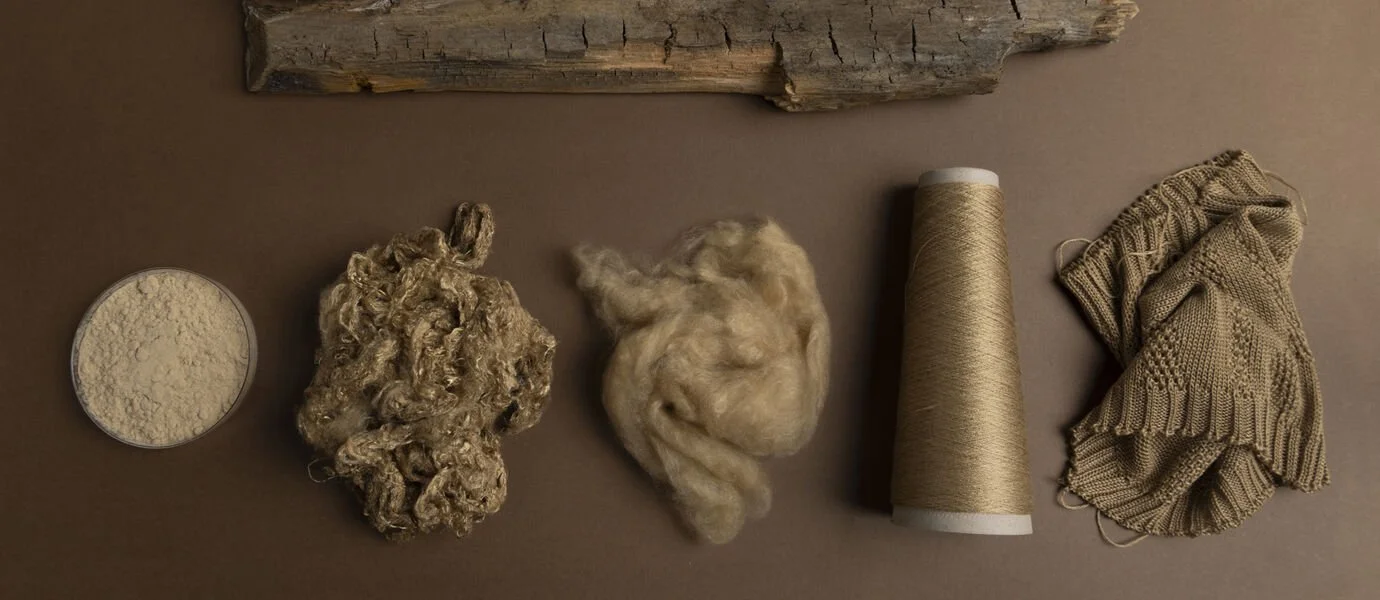
By studying the wood material, researchers discovered that the pine trees used to build the vessel grew in the forests of Ostrobothnia in the 17th century. Producing the fibre required many stages of processing. Photo: Esa Kapila / Aalto University
A research team at Finland’s Aalto University has transformed wood from a 17th century shipwreck into cellulose fibre, spun it into yarn, and knitted it into a zero-waste dress using AI-assisted technology. Frankly, the dress is beautiful.
The dress is the result of the research team’s consideration of a complex nexus of questions around sustainability, rethinking raw materials and the roles of AI in design and manufacture. One key design decision was to keep the yarn undyed and unbleached, to feature the colour the wood had developed over more than 300 years.

Researchers traced the story of the wood from the vast pine forests of 17th century Ostrobothnia, western Finland, to the good ship and beyond. The ship sank in 1684 in Hahtiperä harbour, where it became a home for aquatic life and was later covered in mud after the coastline changed. Workers in Oulu rediscovered the ship in 2019 when excavating a parking lot. The wood’s biography, from the tree to the dress, tells its role in Finland’s underwater cultural heritage and the country’s legacy of early-modern development of a raw materials industry, sea-going, craftsmanship, and modernisation.
One of the key research questions for the team at Aalto when considering the Hahtiperä dress was whether the wood fragments from the shipwreck could still be used. While not everyone can own a shipwreck dress, we can consider the powerful, captivating stories held in other materials. We can also consider how material biographies might shape the future of footwear design and manufacture, while cultivating a consciousness of the materials we leave behind for future generations.
Knitted shoes, material heritage and storytelling
Dresses aren’t the only things we wear that use knitted textiles. Despite Nike’s ongoing legal battles over its Flyknit patents, many footwear companies have come to appreciate knitting, a traditional technique long used in footwear, as a particularly economical manufacturing method. In response to this demand, infrastructure is developing. Santoni, a company based in Northern Italy, for example, develops the complex 3D knitting machinery needed for socks and footwear uppers. Their machinery includes a large-diameter, circular knitting machine so producers can work with different types of yarns.
Many other footwear brands are using innovative knitwear technologies to explore how recycled materials can drive sustainability outcomes.
The Adidas X Parley project in 2015 was perhaps the first to use sneakers to raise global awareness of the environmental stories around protection and conservation. Since then, things have progressed, with brands such as Veja, which uses warp-knitted 100% recycled polyester described as ‘Ketten Engineered-Mesh’ in uppers and engages with recycling co-ops in Brazil to help turn plastic waste into shoes. In early 2026, ECCO took this one stage further in partnership with Spinnova, announcing their first shoe knitted from a leather by-product transformed into a protein-based fibre.
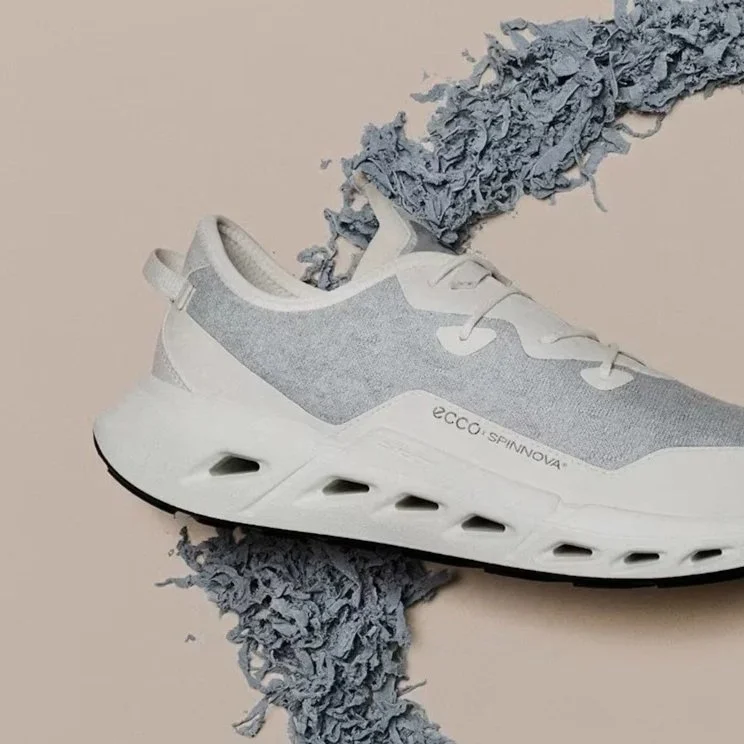
Ecco x Spinnova sneaker, transformed leather by-products into a knitted upper. Click for more info.
In many respects these stories are positive, but there is still work to be done in addressing the root of the problem, namely the continued overproduction of products that people fail to value. Additionally, due to insufficient infrastructure and technology, recycled materials in clothing and footwear can still end up as waste when we’ve finished using them. Research also shows these products can be resource-intensive to produce and, in the case of plastics, generate microparticles. Perhaps worst of all, consumers see recycled plastics as a solution that lets them consume more than ever, but these initiatives actually increase the production of virgin materials.
In a world in which consumers are almost completely alienated from the means of production, knowing the real stories of our shoes, including the biographies of the materials they’re made from and their potential future lives, can provide an enchanting and meaningful strategy to support companies’ sustainability efforts while reinforcing brand values and consumer loyalty.
Some brands are already experimenting with this and with techniques that have been around for a long time. In 2021 on a smaller scale, for example, Emilie Burnfeind of Knitwear Lab in the Netherlands, tapped into the 1990s fad of knitting with dog hair and developed the ‘Sneature’, an “entirely recyclable and compostable sneaker is created out of only three bio-based materials”. These included a knitted upper made from dog hair retrieved from grooming that would otherwise have been thrown away, giving a whole new meaning to the idea of ‘walking the dog’.
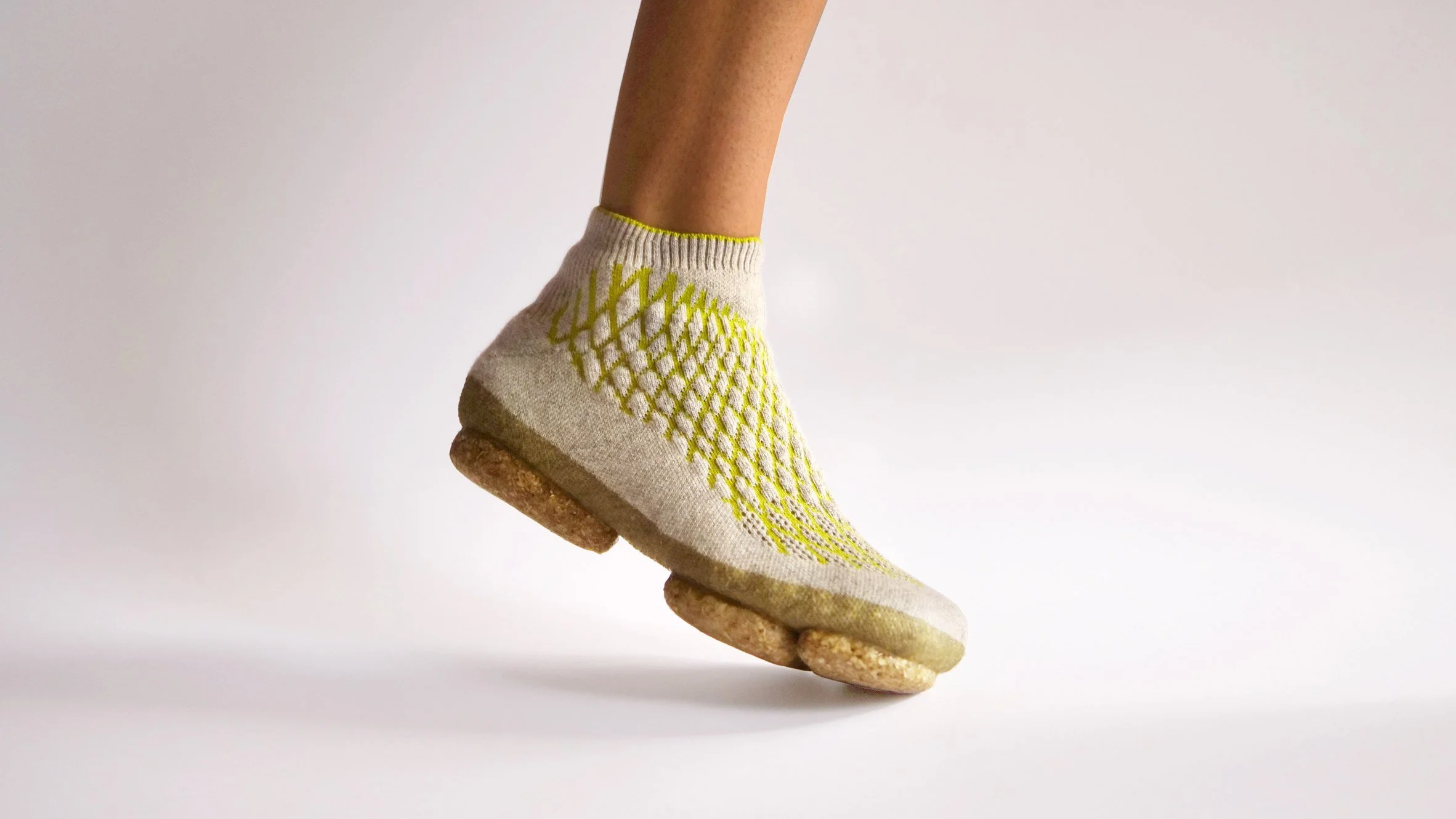
Emilie Burnfeind’s compostable ‘Sneature’, which features an upper knitted from dog fur.
By sparking our imaginations, material and object biographies become part of our own heritage and stories, leading to authentic connections across time and between people and places. This is a meaningful contribution to a brand’s longevity and cultural relevance well beyond the latest trend cycle.
I don’t know about you, but I love the idea of shipwreck shoes. Let’s have a conversation. What other stories can our shoes, and what they’re made from, tell us?
Additional Links
https://footwearmagazine.com/a-federal-judge-has-overturned-the-jury-verdict-that-fined-lululemon-335000-for-flyknit-patent-infringement/
https://spinnova.com/news/press-releases/ecco-introduces-first-shoe-featuring-innovative-protein-based-fibre/