Scuffed but standing: The Velskoen, The shoe that stood the test of time
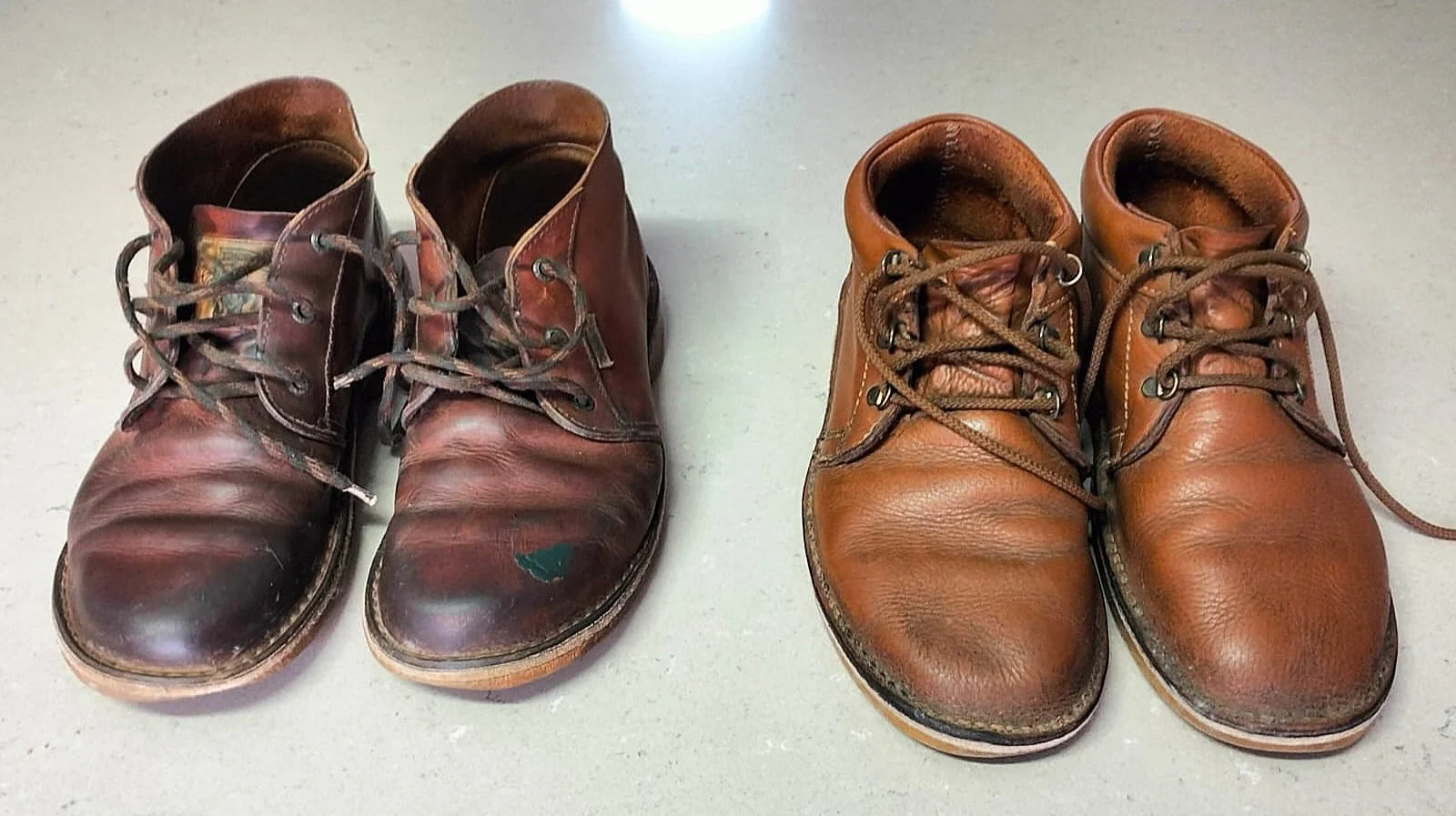
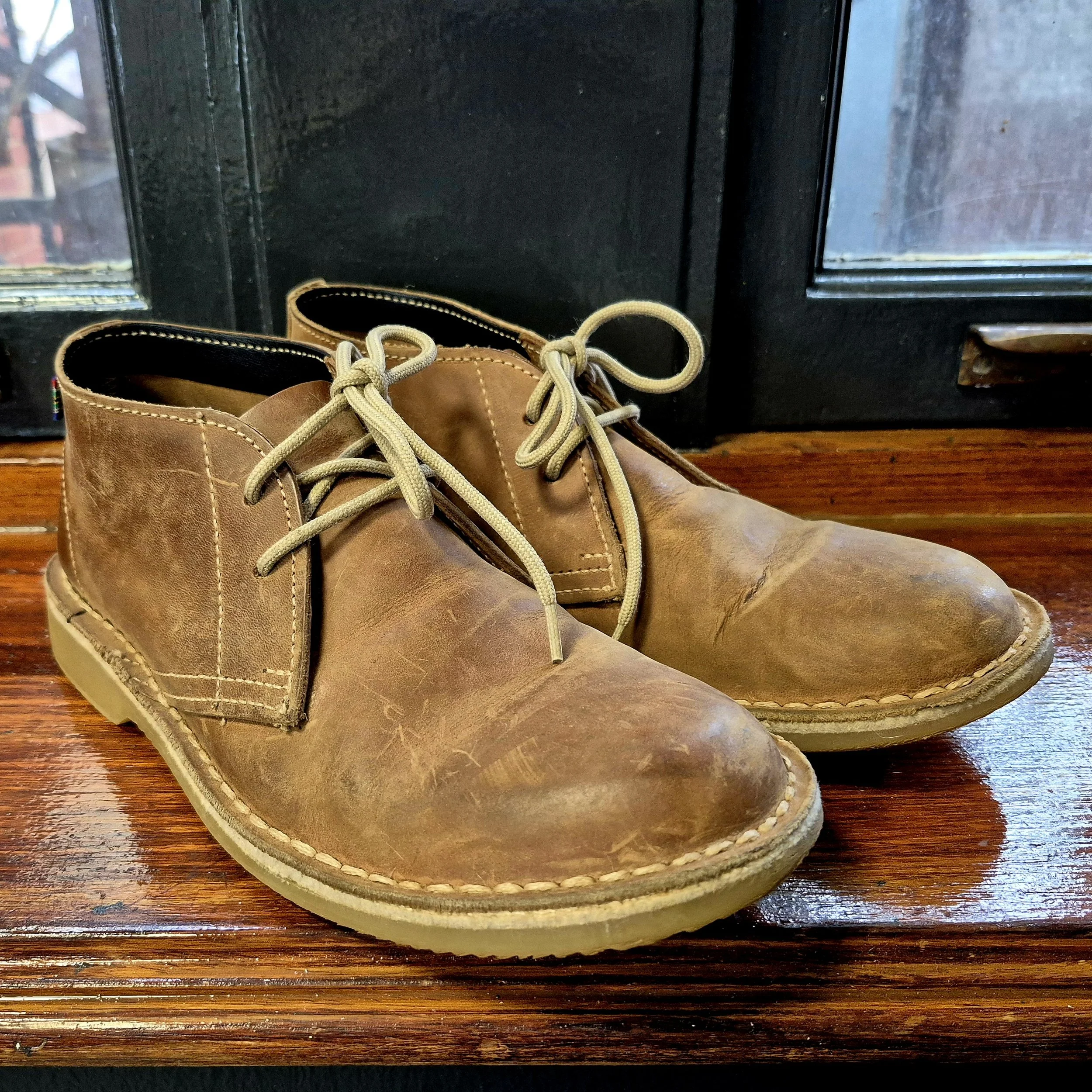
Figure 1: Oupa Koos' Velskoene (image: Emmy Lombard, 2025)
“I’m still standing better than I ever did. Looking like a true survivor, feeling like a little kid. And I’m still standin’ after all this time. ”
I vividly remember my grandad’s (Oupa Koos’) velskoene or vellies. In truth, I cannot recall a childhood memory where he wasn’t wearing a pair, always paired with long, thick socks pulled up over his ankles to just below his calves. Since he started farming in the 1980s, and even before that, he usually bought two of the same pairs, wearing them until they wore out and repairing them as needed before purchasing a new pair a couple of years later. Velskoene became part of his daily uniform. Rugged and masculine, yet made from soft, smooth dark brown leather with matching laces, each pair carried the traces of years of farm work, featuring scuffs, scratches, and patches that told so many stories.
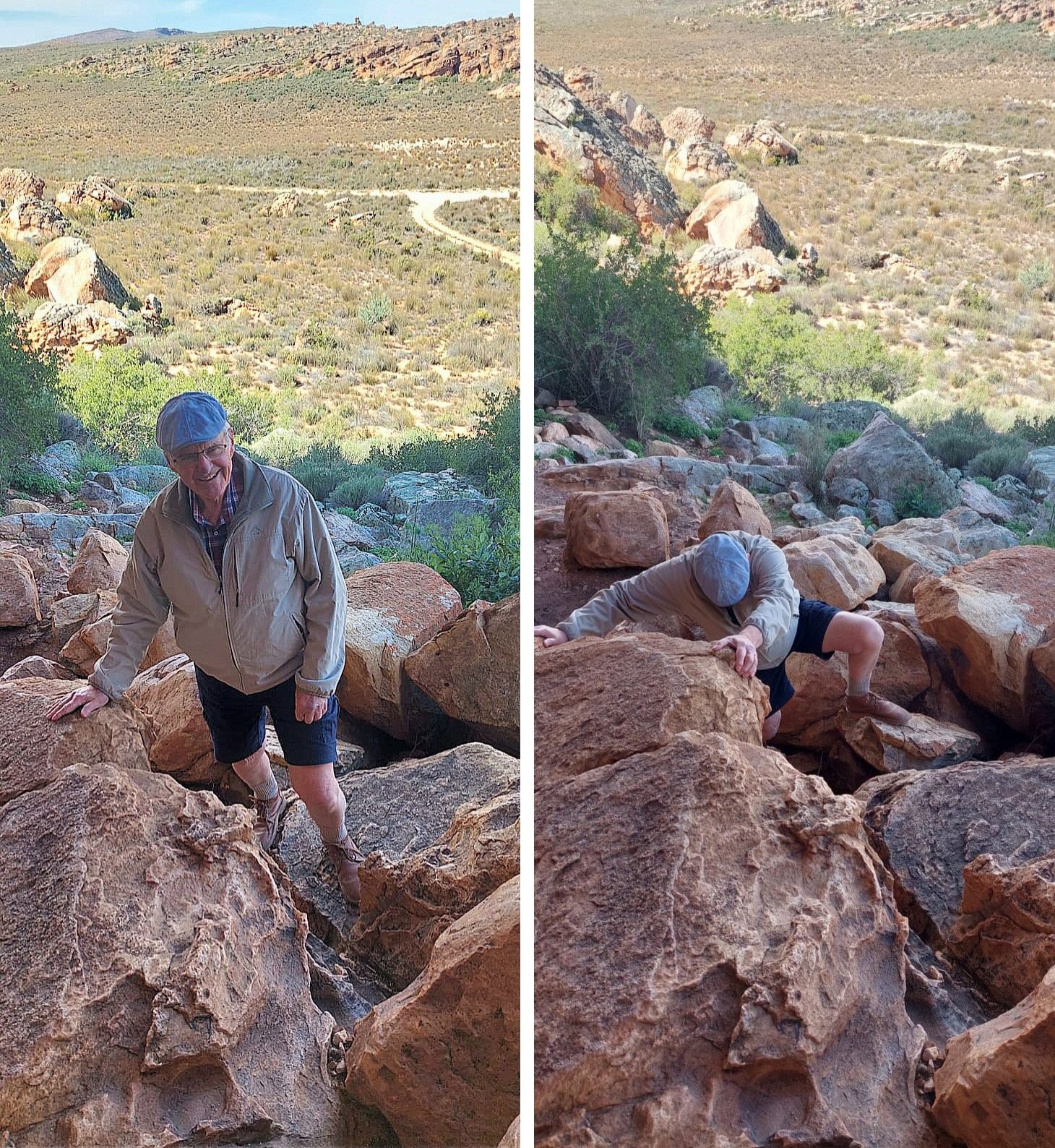
Figure 2: Oupa Koos, at 82, climbs boulders in the Cederberg Wilderness, South Africa, wearing his velskoene (Image: Emmy Lombard, 2023).
This got me wondering why he would continue wearing the same types of shoes for over three decades. It seems abnormal to do so when trends change daily. Maybe it’s because they remain functional, and there is no need to buy new ones or explore other shoe types. Perhaps he cannot imagine wearing different shoes because velskoene are too comfortable. Or maybe he has grown attached to the companions that have walked the road of life with him? All these questions urged me to want to find out more about velskoene and why South Africans wear them, often keeping them for extended periods.
My observations also led me to consider the sustainability of these shoes, as my Oupa has worn each pair for an extensive period, inevitably delaying the disposal of the still-functional shoes. He cares for them and repairs them when needed, extending their lifespan. As I began speaking to other people about this, I realised that his story is not unique; I’ve encountered numerous individuals who have owned and worn their velskoene, whether daily or not, for longer than the average product lifespan. Some have been worn for five years, while others are celebrating their 14th year with their vellies. These ideas came together and ultimately led me to explore product attachment, the strength of the relationship between a consumer and their products, specifically among velskoene consumers in South Africa, therefore shaping the focus of my Master’s degree in Consumer Science (Clothing Management) at the University of Pretoria, South Africa.
Let’s start with the very definition of this iconic shoe before delving into its origins and evolution. Velskoene are made from leather hide, a rubber-crepe sole, two or more eyelets, and their tell-tale classic external stitch-down method. They are praised for their durability, longevity, comfort, and ability to gradually mould to their wearer’s foot. In recent years, velskoene have gained popularity on both local and international fronts, yet few know that this style has been a part of South Africa’s culture for over five centuries. In fact, the velskoen, in its original basic state, was worn by members of the Khoesan tribe before the 16th century, who wrapped or strapped their feet with leather hides [1-7]. The Khoesan, or Khoisan, were the first indigenous people of Southern Africa and consisted of numerous smaller tribes that moved across the southern African continent [8-10]. One of their tribes was even called the velskoendraers, which directly translates to velskoene wearers [11, 12]. Beyond its origin and historical presence among the Khoesan, red velskoene are still worn today in Khoesan Rieldans competitions, which showcase the traditional celebratory hunting dances practised by the tribe [13, 14].
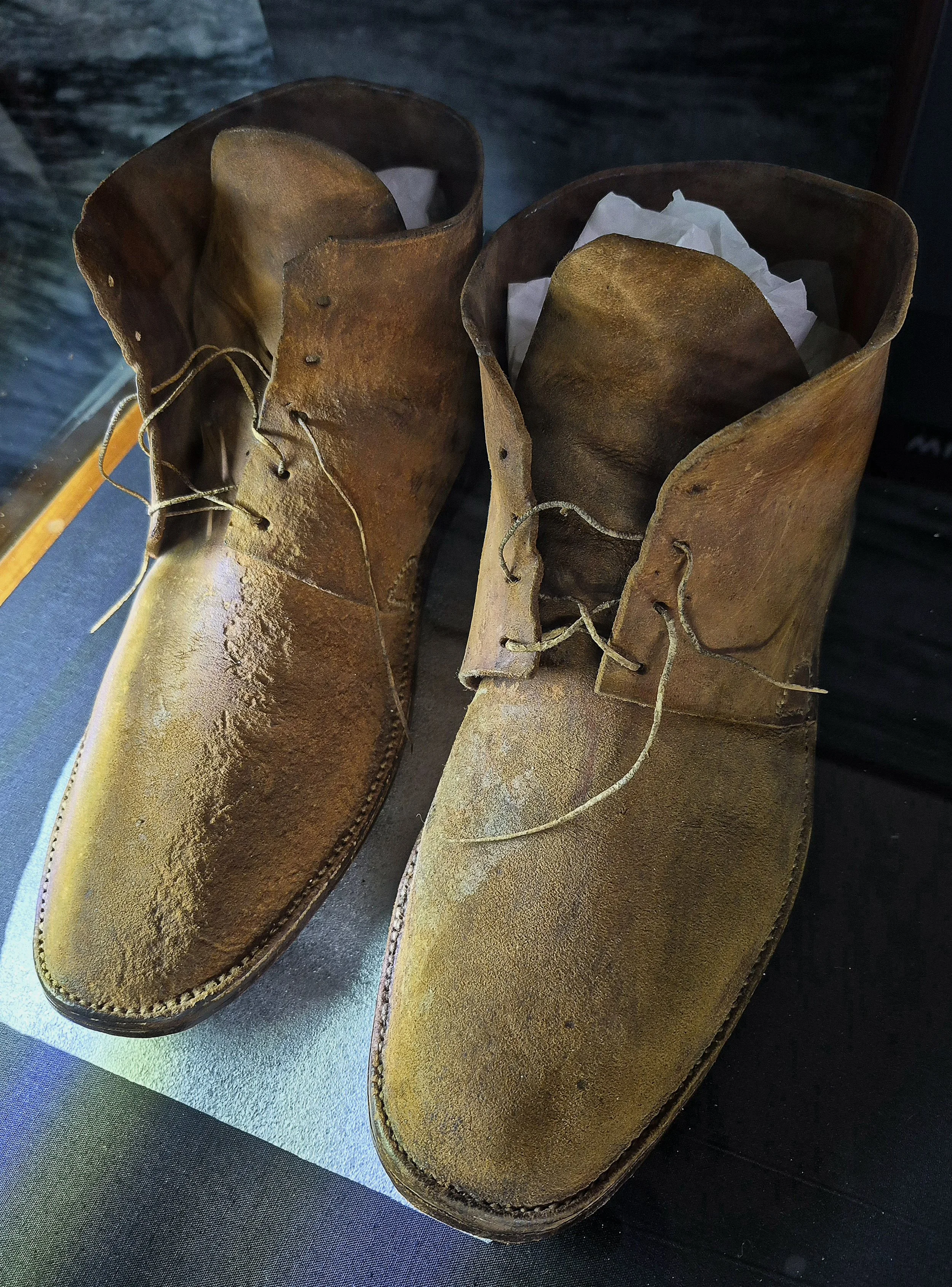
Figure 3: Velskoene 1837-1840 (image: Emmy Lombard, 2025: Voortrekker Monument, Pretoria, South Africa).
European settlers soon arrived in the 17th century at the Southern tip of Africa only to find their buckled and heeled shoes unfit for the rough terrain their new home offered [4]. And so, they learned from those who knew the land better, and the velskoen was adopted and refined to become a shoe that could be laced up [1, 4, 6]. The velskoen is consistently recorded in historical accounts of South African dress from the 18th to the 20th centuries. The style was worn by men, women, and children but differed slightly in neatness and other stylistic characteristics, such as the height of the instep or the type of leather used [4, 6, 15]. The men in the family typically made their own and their wives’ and/or children’s velskoene; some were even made neat enough to double as both work and church shoes [4, 6, 16].
Beyond that, young boys from the age of 12 were taught how to make velskoene, and this skill was often used as a gauge for women to find suitable partners; even the stitch length mattered, as longer stitches along the shoe’s stitch line implied laziness [4, 6, 16]. The popularity of these shoes led to the establishment of the first velskoene factory, Strassberger Skoene, which was founded in Wupperthal in the 1830s and later moved to Clanwilliam. Due to the continued demand for these shoes, it is no surprise that Strassberger Skoene remains operational today after more than 190 years [17, 18].
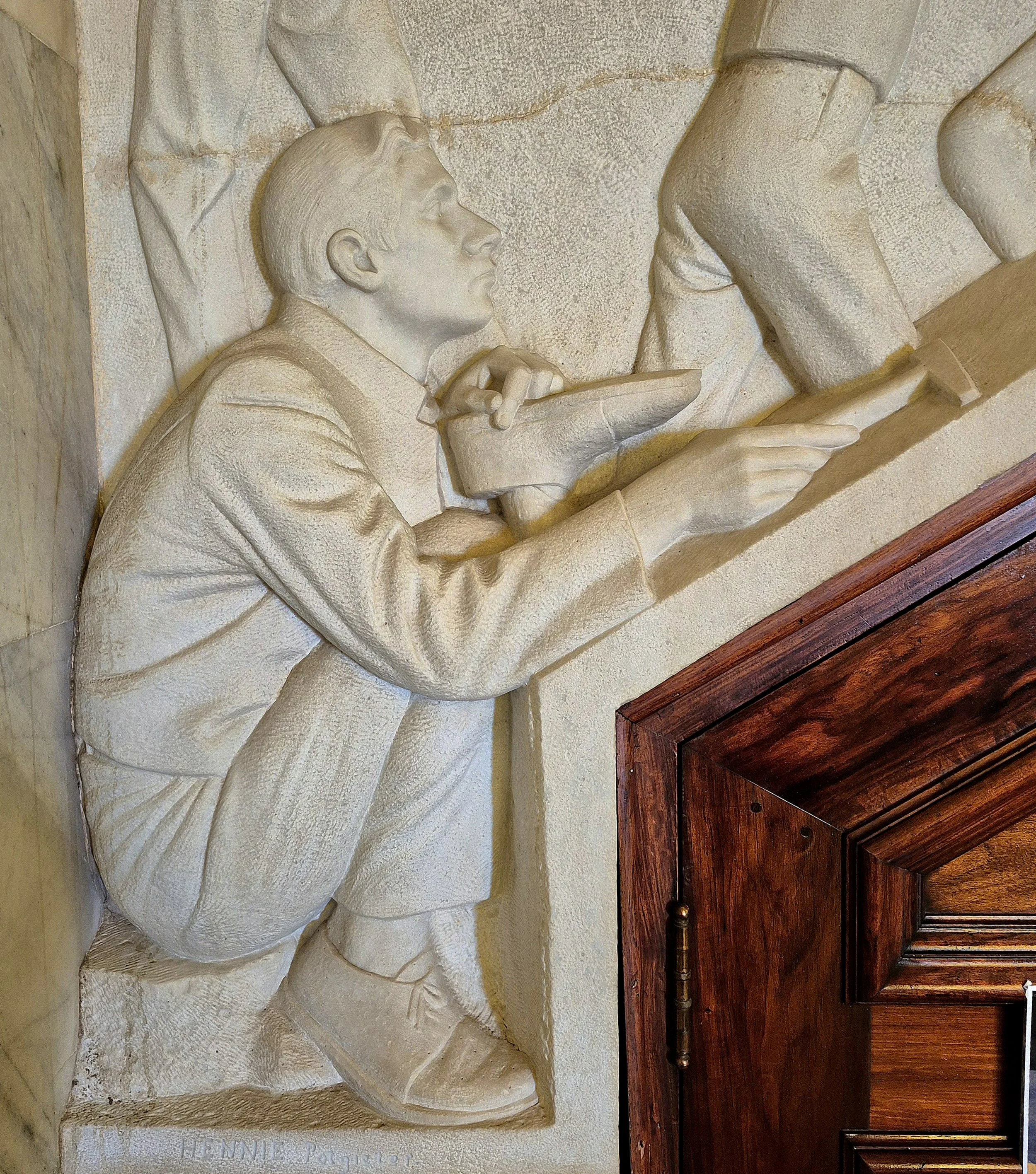
Figure 4: A depiction of a Voortrekker man making a velskoene while wearing velskoene, carved into the Voortrekker Monument frieze (image: Emmy Lombard, 2025: Voortrekker Monument, Pretoria, South Africa).
The Voortrekker Monument in Pretoria pays homage to the large-scale ox wagon migration between the 1830s and 1840s in South Africa. Velskoene were deemed one of the most popular choices of footwear worn by ‘Voortrekkers’ during this time, and can be viewed as such in the Voortrekker Monument frieze, where nearly every Afrikaner, often referred to as a ‘Boer’, is depicted wearing velskoene [4, 19].
During the wars of the 1800s and 1900s, the velskoen was worn by farmers and soldiers and was often preferred over store-bought shoes due to its quality, craftsmanship, and comfort [19, 20]. During World War II, South African soldiers found themselves in the North African Western Desert with worn-out boots and, with the help of Egyptian cobblers, managed to craft a version of the velskoen very similar to the original [21, 22]. These shoes were pliable and comfortable, made with suede, simple laces, and crepe-rubber soles to help them wade through deep sand [21]. During this period, the British Army Corps stationed in North Africa embraced the style. Some of these officers travelled to Burma, where Nathan Clark, a fourth-generation member of the Clark family, was stationed. [21-23]. He traced this improvised velskoen on paper and returned home to create Clarks’ famous Desert Boot, which, like the velskoen, has withstood the test of time and become a classic footwear style [21-23]. Ultimately, the Desert Boot reminds us of the South African servicemen who adapted their attire to suit their war situation in North Africa [21]. It also highlights the natural dissemination and adaptation of this design to other cultures and geographic locations.
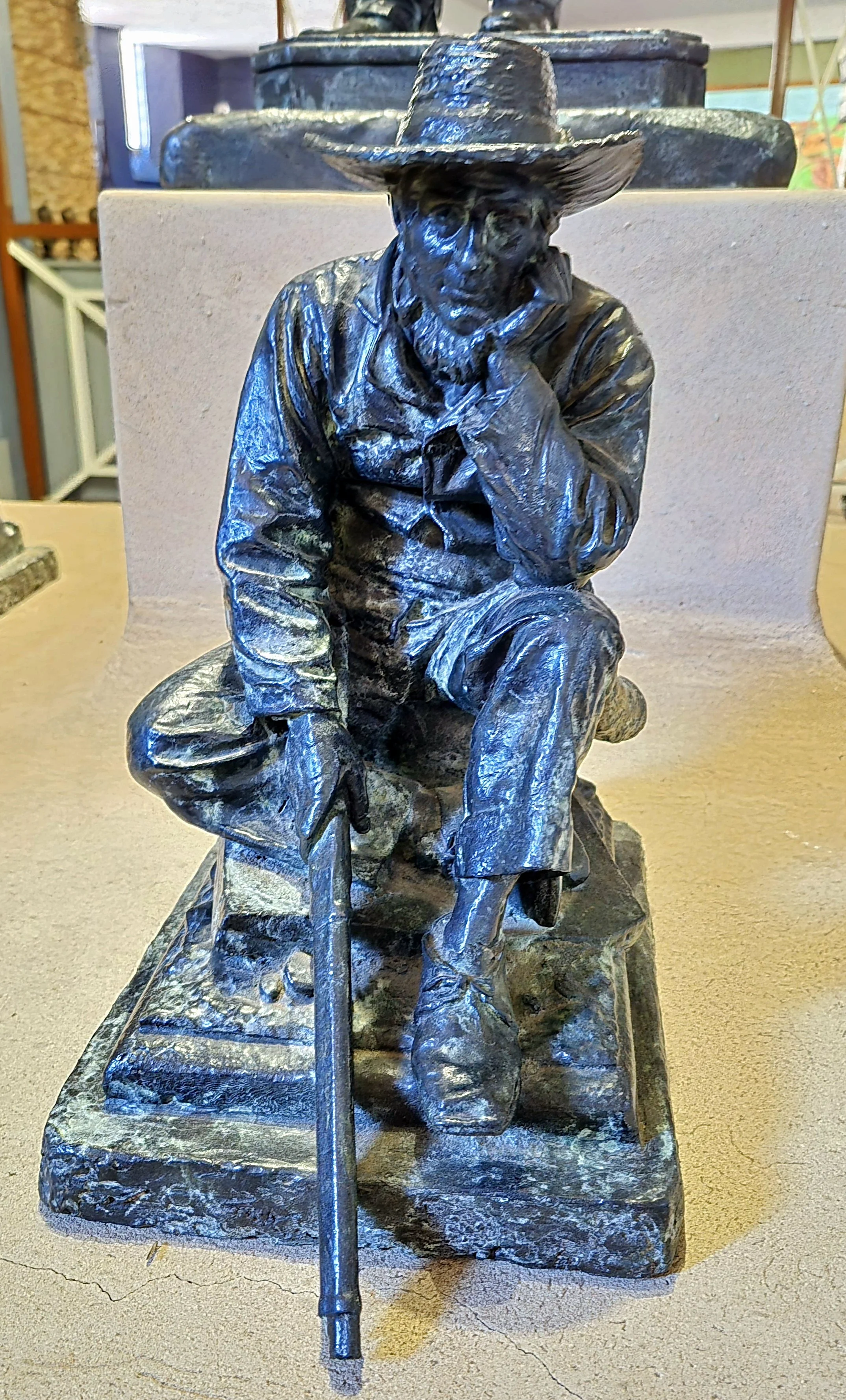
Figure 5: Miniature depiction of one of the 'unnamed Boer sentries' wearing velskoene. This statue forms part of the Statue of Paul Kruger in Church Square, Pretoria (image: Emmy Lombard, 2025: Voortrekker Monument, Pretoria, South Africa).
The velskoen’s presence remained constant throughout the rest of the 20th century, featuring at Afrikaner historical remembrance days, in popular culture, and in the South African music scene, with David Kramer commercialising the iconic red velskoene that he often wore during performances [18, 24, 25]. The 21st century showed further commercialisation of the velskoen, with numerous new companies such as Veldskoen Pty (Ltd), Vellie Boutique, and Sapmok entering the scene to produce locally hand-crafted velskoene. Veldskoen Pty (Ltd) has further enhanced the velskoen’s visibility on an international level by expanding its operations and distribution channels beyond South Africa to cater to American, Asian, and European markets [26, 27]. The South African footwear export market has significantly improved since Veldskoen Pty (Ltd) was opened in 2016, and numerous other velskoen companies have been established [27].
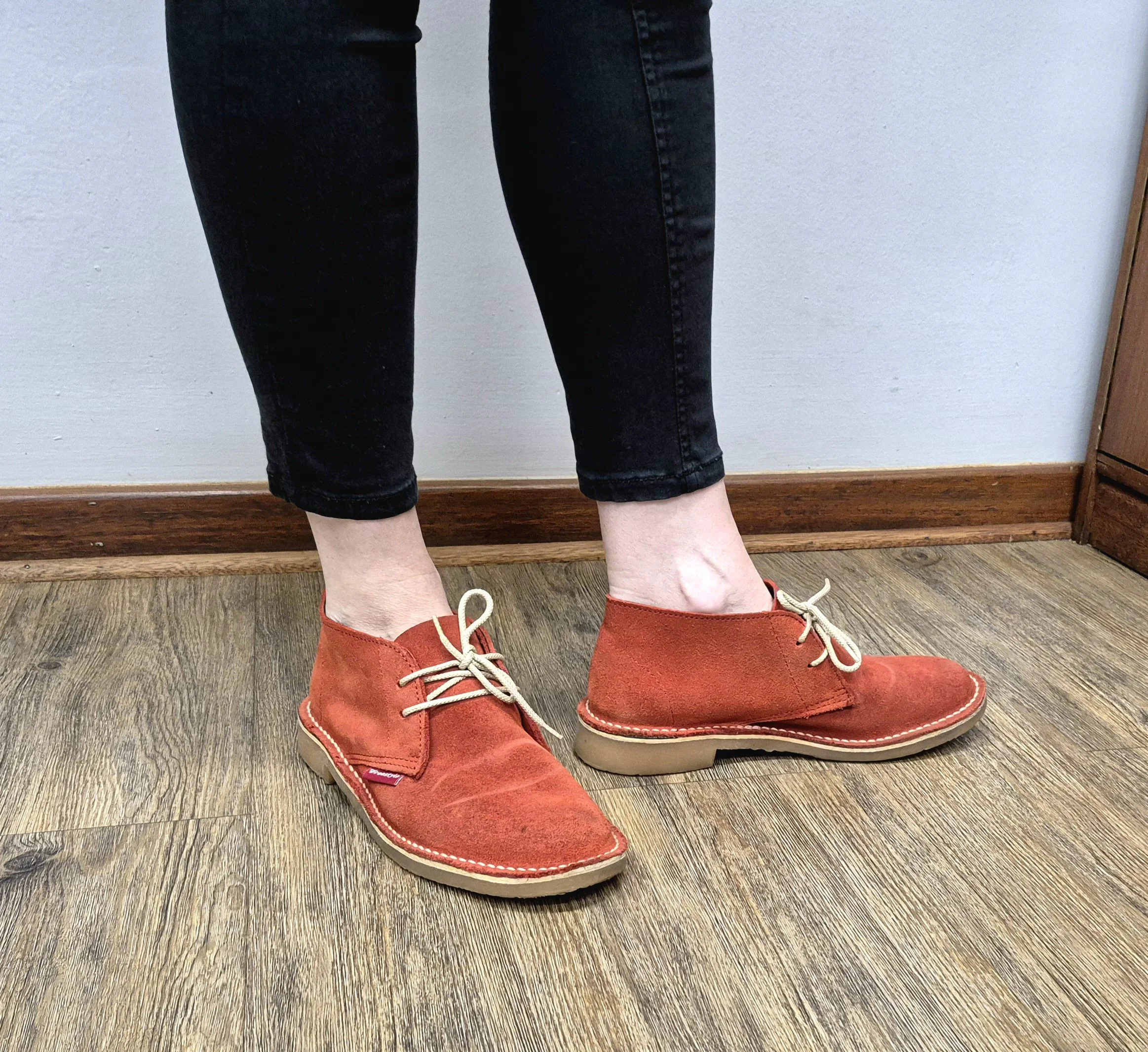
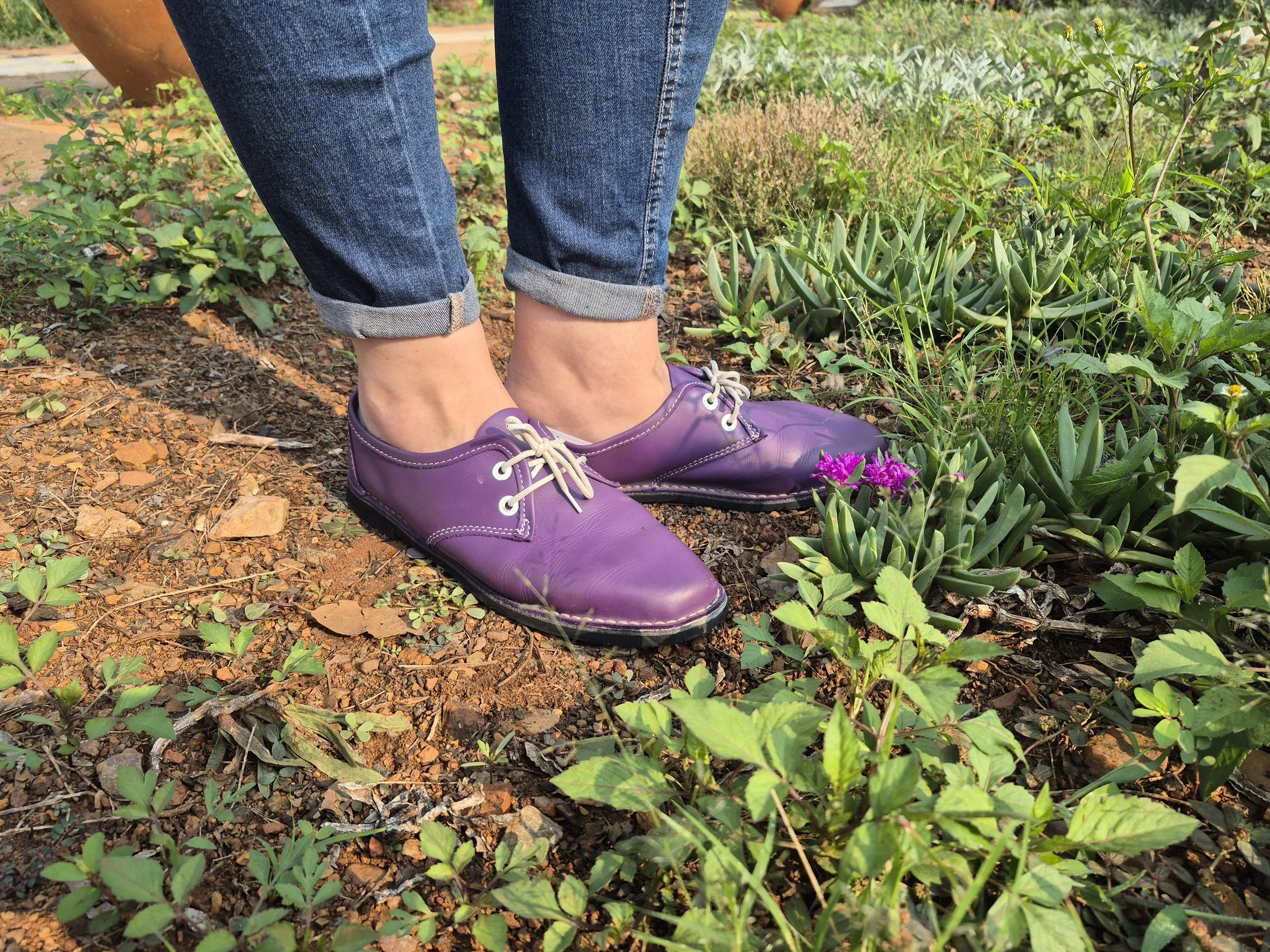
Remarkably, the velskoen has travelled through the centuries, fundamentally unaltered and unchanged. Perhaps its humble beginnings, reputation, cultural associations, and noted endurance, along with its wearers, provide insights into its longevity and the emotional bonds that consumers may experience with their vellies. One of the ways I have sought to explore the velskoen’s inherent longevity and the potential relationships that consumers form with them in my own research is through product attachment theory.
Across the literature, product attachment theory has taken on many forms and variations, with various factors such as memory, cultural affiliation, performance, and pleasure all contributing to a holistic image of the physical characteristics and psychological elements at play when a consumer engages with a product [28-32]. This engagement and attachment also relate to sustainable consumption in that consumers who are attached to products may be more likely to use them for longer periods and delay disposal, thus extending their lifespans and reducing their overall need to overconsume. In saying this, the theory of product attachment ties in nicely with the larger principles of the circular economy – when consumers love the product, they are more likely to take care of it, repair it, keep it for longer, and postpone replacement [28].
Upon further investigation, I found that product attachment studies, along with those related to the concept, have explored a wide range of products, from watches to trucks, with only a few focusing specifically on clothing or footwear as a product category [33-36]. Still, little has been said with regard to historically and culturally rich items like the velskoen. Nevertheless, all these studies provide relevant insights that may apply to velskoene consumption. By concentrating on a single product or product type, we may uncover commonalities and differences in consumer experiences that can deepen our understanding of product attachment and refine it for certain products. I believe that focusing on a specific product or product type is crucial, given the impact of products like clothing and footwear on consumers' expression and overall identity. Ultimately, the aim would be to utilise this newfound data to inform designers and/or business owners about creating products that endure both physically and emotionally.
Another interesting and noteworthy element that emerged from my Master’s research is consumers' willingness to care for and repair their velskoene due to their attachment to them [28, 30]. Hopefully, the findings will provide insight into the velskoen and similar product repair markets, opening the door for more commercialised repair services that will reduce new product production, extend the product’s lifespan, and potentially increase consumer loyalty toward businesses that sell velskoene.
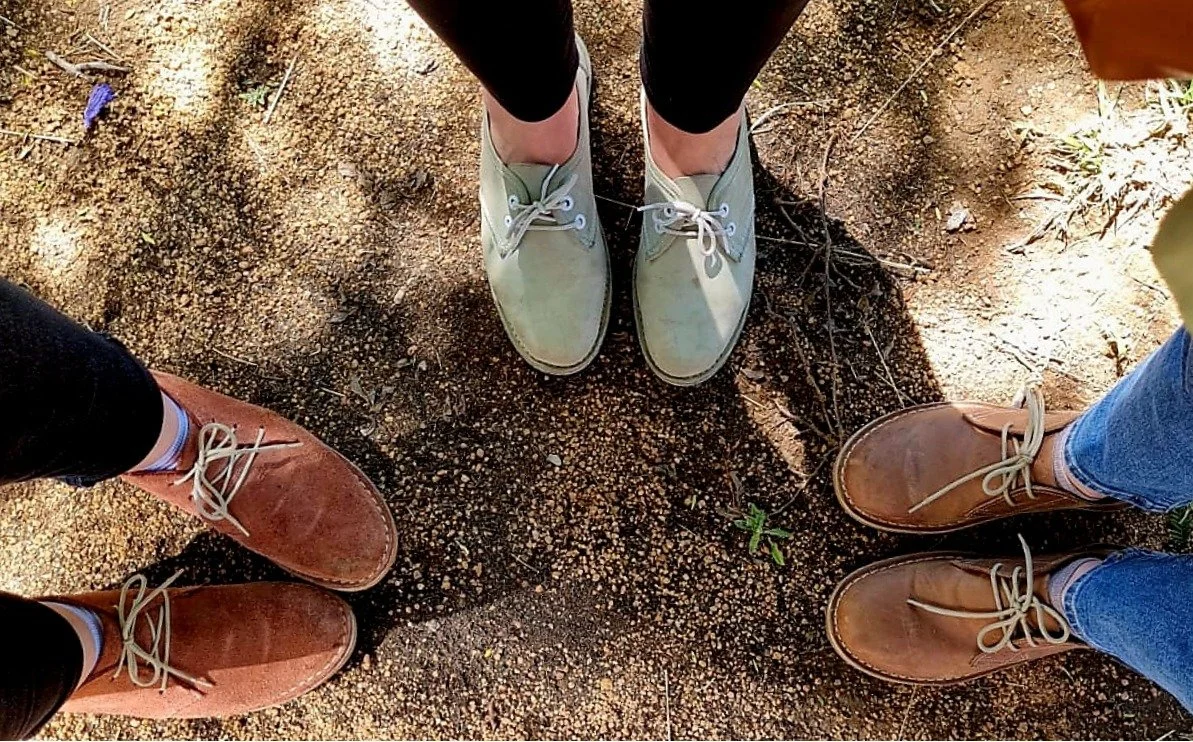
Different velskoene colours and styles (Image: Emmy Lombard, 2024)
Many have told me that one should choose one’s research topic very carefully and that one should be passionate about it throughout the study. In addition to my innate interest in history and my fond memories of the velskoen linked to my Oupa, I have since bought my first pair of velskoene. They have already been tied to a few memories, have a couple of scratches, and also a chemical blotch from working in a lab. Needless to say, I am passionate about my studies, a passion that only seems to deepen as I further explore the velskoen and its significance both within my home country and beyond its borders.
“I do indeed love them for their rugged look, natural appeal, comfort, and, of course, the knowledge that I am now part of the culture and history of an age-old shoe. I can safely say that I plan on wearing them for many years to come”
Acknowledgements:
I thank Dr Hanri Taljaard-Swart for her valuable editing contributions to this article. She serves as the lead supervisor for my Master’s in Consumer Sciences and is a lecturer in the Clothing Retail Management programme within the Department of Consumer and Food Sciences at the University of Pretoria, South Africa.
Additionally, thank you to the Voortrekker Monument, Pretoria, for providing access to capture the images included in this article.
References:
Veldskoen. Our Story. 2024 2024-03-22]; Available from: https://www.veldskoen.com/pages/about-us.
de Hond, J., et al. Recent Acquisitions. The Rijksmuseum Bulletin, 2018. 66, 278-303 DOI: https://doi.org/10.52476/trb.9760
Smith, A.B. Different facets of the crystal: early European images of the Khoikhoi at the Cape, South Africa. Goodwin Series, 1993. 7, 8-20.
Strutt, D.H., Fashion in South Africa 1652-1900: An illustrated history of styles and materials for men, women and children, with notes on footwear, hairdressing, accessories and jewellery. 1975: Cape Town: Balkema (AA).
Rudner, I. and J. Rudner, A. Sparrman's ethnographical collection from South Africa. Statens Etnografiska Museum smarre meddelanden. 1957, Stockholm: Statens Etnografiska Museum.
Van Rooijen, G.H., Kultuurskatte uit die Voortrekker-Tydperk: Deel 2 1938, Bloemfontein: Nasionale Pers.
Wupperthal. Wupperthal shoe factory. 2024 2024-04-09]; Available from: https://wupperthal.com/.
Sapignoli, M. and R.K. Hitchcock Indigenous peoples in southern Africa. The Round Table, 2013. 102, 355-365.
Chebanne, A. The dangers of ethnic groups relocation: The case of the CKGR Khoe and San communities. Botswana Notes & Records, 2003. 35, 89-98.
Kim, H.L., et al. Khoisan hunter-gatherers have been the largest population throughout most of modern-human demographic history. Nature communications, 2014. 5, 5692.
Erichsen, C. and D. Olusoga, The Kaiser's Holocaust: Germany's forgotten genocide and the colonial roots of Nazism. 2010, Faber & Faber: London, UK.
Dedering, T., Southern Namibia c. 1700-c. 1840: khoikhoi, missionaries and the advancing frontier, in Department of History. 1989, University of Cape Town.
Britz, E. Songs in the dust: Riel Music in the Northern and Western Cape, South Africa. 2019.
Scheier, J., South Africa's time-honored Veldskoen shoes. 2021, CGTN.
Botha, J. Die boer: leerlooier, skoenmaker. 2016 2024-02-17]; Available from: https://www.gelofteland.org/index.php?option=com_content&view=article&id=270:die-boer-leerlooier-skoenmaker.
Pretorius, J.C., et al., Op trek: Die daaglikse lewe tydens die Groot Trek, ed. J. Malan. 1988, South Africa: Scripta Africana.
Du Plessis, E., Strassberger Skoene. 2004, Strassberger Skoene: Clanwilliam, SA.
Eeden-Allen, V. and G. Verhoef Market and entrepreneurial vision: the case of two family businesses in South Africa. New Contree, 2018. 81, 65-87.
Malan, A., A. Carelsen, and M. National Cultural History, Kleredrag tydens die Anglo-Boereoorlog, 1899-1902. 1999, Menlopark: Protea Boekhuis.
Pretorius, F., The experience of the bitter-ender Boer in the Guerrilla phase of the South African War, in The Boer War: Direction, Experience and Image, J. Gooch, Editor. 2000, Frank Class: London, England. p. 166-169.
Nasson, B., South Africa at war, 1939-1945. Jacana pocket series. 2012, Auckland Park: Jacana Media.
Palmer, M., Clarks: Made to Last: The story of Britain's best-known shoe firm. 2013: Profile Books.
Sherlock, A. and T. Crumplin. Everybody haffi ask weh mi get mi clarks": Clarks originals and cross-cultural appropriation. in Proceedings of'The World at Your Feet'Footwear Conference. 2013. University of Northampton.
Pekeur, S. David se rooi vellies het 'n storie. 2016 2024-04-09]; Available from: https://www.son.co.za/dieson/sonland/lekke-djy/david-se-rooi-vellies-het-n-storie-20160725.
De Villiers, D. and M. Slabbert, David Kramer: 'n biografie. 2011, Heerengracht, Kaapstad: Tafelberg.
Rangongo, T., Making an iconic South African shoe globally recognisable, in finweek. 2020. p. 42-43.
Dickson, T., The rise and rise of Velskoen as it seeks to double turnover., in S & V Footwear and Leather Goods. 2023.
Van den Berge, R., L. Magnier, and R. Mugge, Too good to go? Consumers’ replacement behaviour and potential strategies for stimulating product retention. Current opinion in psychology, 2021. 39: p. 66-71.
Mugge, R., J.P. Schoormans, and H.N. Schifferstein, Product attachment: Design strategies to stimulate the emotional bonding to products, in Product experience. 2008, Elsevier. p. 425-440.
Schifferstein, H.N. and E.P. Zwartkruis-Pelgrim, Consumer-product attachment: Measurement and design implications. International journal of design, 2008. 2(3): p. 1-13.
Page, T., Product attachment and replacement: implications for sustainable design. International Journal of Sustainable Design, 2014. 2(3): p. 265-282.
Kowalski, M.C. and J. Yoon, I love it, I’ll never use it: exploring factors of product attachment and their effects on sustainable product usage behaviors. International Journal of Design, 2022. 16(3): p. 37-57.
Niinimäki, K. and C. Armstrong, From pleasure in use to preservation of meaningful memories: A closer look at the sustainability of clothing via longevity and attachment. International Journal of Fashion Design, Technology and Education, 2013. 6(3): p. 190-199.
Errázuriz, T. and E. Müller, “My cherished garment”: Rethinking fashion, attachment and durability. Fashion Theory, 2023. 27(3): p. 327-354.
Sampson, E., Worn: Footwear, attachment and the affects of wear. 2020, Bloomsbury visual arts: London.
Sherlock, A., ‘It’s kind of where the shoe gets you to I suppose’: Materializing identity with footwear. Critical Studies in Fashion & Beauty, 2014. 5(1): p. 25-51.